

Cuisines
Indonesian cuisine, with its rich history and diverse influences, offers a vibrant array of flavors and culinary traditions. Known for its bold tastes, aromatic spices, and colorful presentations, Indonesian food reflects the country’s diverse culture and geography. With roots in indigenous traditions and influences from Chinese, Indian, Middle Eastern, and European cuisines, Indonesian dishes provide a unique and flavorful experience. Staples like rice, coconut, seafood, and an array of spices are central to the cuisine, showcasing the country’s agricultural abundance and maritime heritage.
-
01 Origins
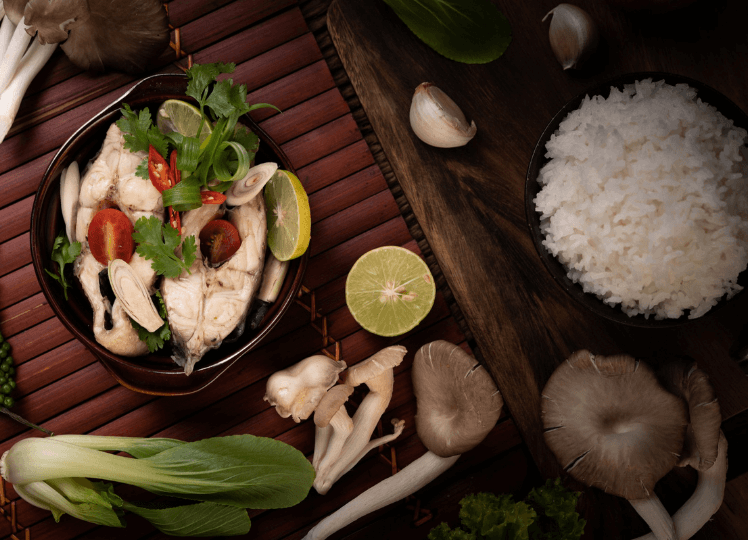
The origins of Indonesian cuisine can be traced back to ancient civilizations and the trade routes that brought a variety of spices and ingredients to the archipelago. Indigenous traditions formed the culinary foundation, emphasizing rice as a staple food. The introduction of spices like nutmeg and cloves from the Spice Islands (Maluku) during the early spice trade era enriched the cuisine. Chinese traders introduced noodles and soy products, while Indian influences brought curries and the use of turmeric. The arrival of European colonizers further diversified the culinary landscape, incorporating bread, dairy, and other ingredients.
-
02 Traditional Dishes
Indonesian cuisine boasts an array of traditional dishes that vary by region, each reflecting local ingredients and culinary practices:
- Nasi Goreng: A flavorful fried rice dish, often served with eggs, prawns, and a variety of vegetables, seasoned with sweet soy sauce and spices.
- Satay: Skewered and grilled meat, typically served with a rich peanut sauce and lontong (rice cakes).
- Rendang: A slow-cooked beef dish with a blend of coconut milk and spices, resulting in tender meat with complex flavors.
- Gado-Gado: A salad of mixed vegetables, tofu, and tempeh, topped with a savory peanut sauce.
- Soto: A hearty soup made with meat, noodles, and vegetables, seasoned with turmeric and other spices.
- Babi Guling: A Balinese specialty of spit-roasted pork, marinated with a blend of spices and herbs.
-
03 Ingredients and Spices
Indonesian cuisine relies heavily on fresh, locally sourced ingredients and a wide array of spices:
- Rice: The foundation of many dishes, often served as plain rice or transformed into fried rice (nasi goreng) and rice cakes (lontong).
- Coconut: Used in various forms, including coconut milk, grated coconut, and coconut oil, adding richness to dishes.
- Spices: Essential to Indonesian cooking, spices like turmeric, coriander, cumin, and nutmeg create layers of flavor.
- Chilies: Used fresh or dried, chilies add heat and depth to many dishes, with varieties including bird’s eye chili and red chili.
- Palm Sugar: A sweetener used in both savory and sweet dishes, imparting a distinctive caramel flavor.
- Soy Products: Tempeh and tofu are popular protein sources, reflecting the influence of Chinese cuisine.
-
04 Cooking Techniques
Indonesian cooking involves a variety of techniques, blending ancient methods with those introduced through trade and colonization:
- Grilling: Common for dishes like satay, enhancing the flavor of meats and seafood.
- Stir-Frying: Used for creating quick and flavorful dishes like nasi goreng and mie goreng (fried noodles).
- Slow Cooking: Essential for dishes like rendang, allowing flavors to meld over time.
- Steaming: Used for preparing rice cakes and other delicacies.
- Simmering: Integral to soups and stews, developing rich and aromatic broths.
-
05 Modern Influences and Adaptations
In recent years, Indonesian cuisine has continued to evolve and adapt, influenced by global culinary trends and the availability of new ingredients. Contemporary Indonesian chefs are experimenting with traditional flavors and modern techniques to create innovative dishes that honor the roots of Indonesian cooking while appealing to a global audience. Indonesian street food, with its accessible and flavorful offerings, has also gained international popularity, introducing a wider audience to the delights of satay, gado-gado, and more.
-
06 Modern Uses of Indonesian Cuisine in Consumer Products
Today, Indonesian cuisine has a broad presence in consumer products, reflecting its rich flavors and culinary heritage:
- Packaged Foods: Ready-to-eat meals, snacks, and sauces that bring the flavors of Indonesia to homes around the world.
- Spices and Seasonings: Pre-mixed spice blends and seasoning packets for easy preparation of Indonesian dishes.
- Beverages: Traditional drinks like jamu (herbal drink), Indonesian coffee, and coconut-based beverages.
- Condiments: A variety of sambals (chili sauces) and ketchap manis (sweet soy sauce) that enhance the flavor of meals.

Applications in Indonesian Cuisine

Ready-to-Eat Meals
Contract packagers can efficiently package ready-to-eat Indonesian meals, such as nasi goreng, rendang, and satay, ensuring they are sealed for freshness and convenience.

Spices and Seasonings
Indonesian spices and seasoning blends, such as rendang spice mix, curry powders, and sambal, can be packaged in various formats including sachets, jars, and resealable pouches.

Sauces and Condiments
Traditional Indonesian sauces like peanut sauce, ketchap manis, and sambal require careful packaging to maintain their flavor and shelf life. Contract packagers offer solutions such as glass jars, plastic bottles, and single-serve packets.
Beverages
Drinks like jamu and Indonesian coffee can be packaged in bottles, cartons, or powder sachets for easy distribution and consumption.
Snack Foods
Popular Indonesian snacks, such as krupuk (crackers), tempeh chips, and dried fruits, benefit from specialized packaging that keeps them crisp and flavorful.


2000+
Manufacturers


