

Cuisines
Italian cuisine, celebrated for its simplicity and emphasis on fresh, high-quality ingredients, is one of the most beloved and influential culinary traditions in the world. Rooted in centuries of history and regional diversity, Italian cuisine offers a rich array of flavors and textures that reflect the country’s cultural heritage and geographic variety. Staples such as pasta, olive oil, tomatoes, and cheeses are central to many dishes, showcasing the importance of seasonality and locality in Italian cooking.
-
01 Origins
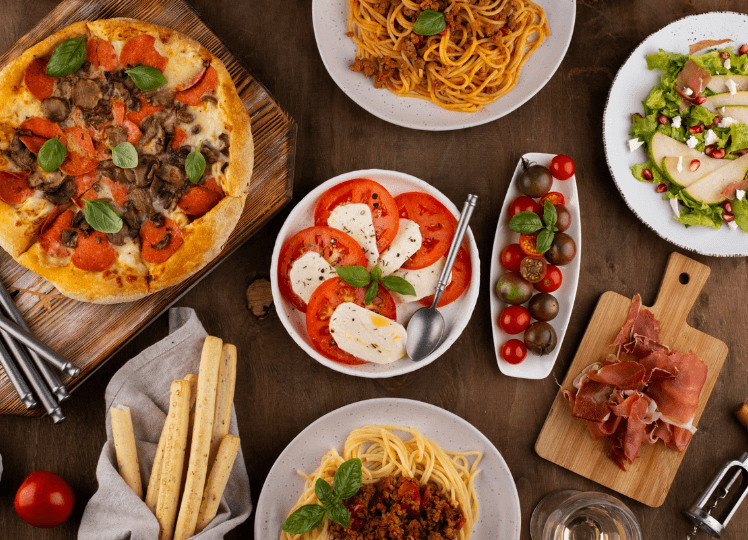
The origins of Italian cuisine can be traced back to the ancient Roman Empire, where the foundations of Italian culinary practices were established. Over time, the cuisine evolved through the influence of various cultures, including the Greeks, Arabs, Normans, and Spaniards. The introduction of ingredients from the New World, such as tomatoes, potatoes, and maize, further enriched Italian cuisine. Each region of Italy developed its own distinctive culinary traditions, influenced by local ingredients and historical events, resulting in a diverse tapestry of regional dishes.
-
02 Traditional Dishes
Italian cuisine is renowned for its variety of traditional dishes, which vary significantly from one region to another:
- Pasta: A cornerstone of Italian cuisine, pasta comes in countless shapes and sizes, often paired with regional sauces such as Bolognese, Carbonara, and Pesto.
- Pizza: Originating from Naples, pizza features a thin crust topped with tomato sauce, mozzarella cheese, and a variety of toppings.
- Risotto: A creamy rice dish cooked with broth and flavored with ingredients like mushrooms, seafood, or saffron.
- Osso Buco: A Milanese specialty of braised veal shanks cooked with white wine and vegetables.
- Tiramisu: A popular dessert made with layers of coffee-soaked ladyfingers, mascarpone cheese, and cocoa powder.
-
03 Ingredients and Spices
Italian cuisine emphasizes fresh, locally sourced ingredients and simple seasonings that enhance the natural flavors of the food:
- Olive Oil: A staple in Italian cooking, used for sautéing, dressing salads, and drizzling over dishes.
- Tomatoes: Central to many sauces and dishes, used fresh, canned, or sun-dried.
- Garlic and Onions: Essential for building flavor in a variety of dishes.
- Herbs: Basil, oregano, rosemary, and parsley are commonly used to season Italian dishes.
- Cheeses: Parmesan, mozzarella, ricotta, and gorgonzola are just a few of the many cheeses integral to Italian cuisine.
-
04 Cooking Techniques
Italian cooking involves a variety of techniques that highlight the natural flavors of ingredients:
- Sautéing: A quick cooking method used for vegetables, meats, and seafood.
- Braising: Slow-cooking method used for tougher cuts of meat, such as osso buco.
- Baking: Commonly used for dishes like lasagna, pizza, and breads.
- Grilling: Often used for meats and vegetables, particularly in Mediterranean regions.
-
05 Modern Influences and Adaptations
Italian cuisine continues to evolve, influenced by global culinary trends and the availability of new ingredients. Contemporary Italian chefs experiment with traditional flavors and modern techniques to create innovative dishes that honor the roots of Italian cooking while appealing to a global audience. Italian street food, such as arancini (stuffed rice balls) and panini, has gained international popularity, introducing a wider audience to the delights of Italian cuisine.
-
06 Modern Uses of Italian Cuisine in Consumer Products
Today, Italian cuisine has a broad presence in consumer products, reflecting its rich flavors and culinary heritage:
- Packaged Foods: Ready-to-eat meals, pasta sauces, and frozen pizzas bring the flavors of Italy to homes around the world.
- Spices and Seasonings: Pre-mixed spice blends and seasoning packets for easy preparation of Italian dishes.
- Beverages: Traditional drinks like espresso, cappuccino, and Italian sodas.
- Condiments: A variety of olive oils, balsamic vinegars, and pestos enhance the flavor of meals.

Applications in Italian Cuisine

Ready-to-Eat Meals
Contract packagers can efficiently package ready-to-eat Italian meals, such as lasagna, risotto, and pasta dishes, ensuring they are sealed for freshness and convenience.

Spices and Seasonings
Italian spices and seasoning blends, such as Italian herb mixes, garlic powder, and chili flakes, can be packaged in various formats including sachets, jars, and resealable pouches.

Sauces and Condiments
Traditional Italian sauces like marinara, Alfredo, and pesto require careful packaging to maintain their flavor and shelf life. Contract packagers offer solutions such as glass jars, plastic bottles, and single-serve packets.
Beverages
Drinks like espresso, cappuccino, and Italian sodas can be packaged in bottles, cartons, or powder sachets for easy distribution and consumption.
Snack Foods
Popular Italian snacks, such as biscotti, taralli, and bruschetta, benefit from specialized packaging that keeps them fresh and flavorful.


2000+
Manufacturers


