

Cuisines
Japanese cuisine is renowned for its emphasis on seasonality, quality ingredients, and meticulous presentation. It is characterized by its simplicity and balance, often focusing on natural flavors and fresh ingredients. Japanese cuisine has a rich culinary history influenced by its geography, climate, and cultural exchanges with neighboring countries. Staples such as rice, seafood, vegetables, and soy products are central to many dishes, reflecting the country’s coastal location and agricultural traditions.
-
01 Origins
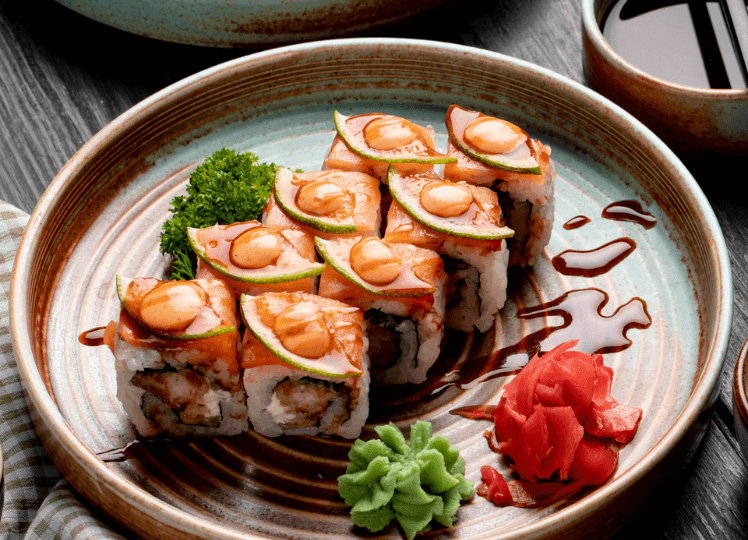
The origins of Japanese cuisine can be traced back to ancient times, with significant influence from China and Korea. The introduction of rice cultivation, soybeans, and tea from China had a profound impact on Japanese dietary habits. The advent of Buddhism in the 6th century led to a vegetarian diet for many, promoting the use of vegetables and tofu. During the Edo period (1603-1868), Japanese cuisine began to take on its modern form, with the development of sushi, tempura, and other iconic dishes. The Meiji Restoration in the 19th century further diversified the cuisine with Western influences.
-
02 Traditional Dishes
Japanese cuisine offers a variety of traditional dishes, each reflecting regional ingredients and cooking practices:
- Sushi: Vinegared rice paired with various toppings such as raw fish (nigiri), or rolled with seaweed and fillings (maki).
- Sashimi: Thinly sliced raw fish or seafood, often served with soy sauce and wasabi.
- Tempura: Battered and deep-fried seafood or vegetables, typically served with a dipping sauce.
- Ramen: Noodle soup with a rich broth, usually made from meat or fish, and topped with ingredients like sliced pork, seaweed, and green onions.
- Udon and Soba: Thick wheat noodles (udon) and thin buckwheat noodles (soba), served in various broths or chilled with dipping sauce.
- Yakitori: Skewered and grilled chicken, seasoned with salt or a sweet soy sauce-based tare.
- Okonomiyaki: Savory pancakes made with flour, eggs, shredded cabbage, and various ingredients such as meat or seafood.
- Miso Soup: A traditional soup made with miso paste, dashi broth, and ingredients like tofu, seaweed, and green onions.
-
03 Ingredients and Spices
Japanese cuisine relies on fresh, high-quality ingredients and a subtle use of spices:
- Rice: The staple food, used in sushi, onigiri (rice balls), and as a side dish.
- Fish and Seafood: Central to many dishes, including sushi, sashimi, and grilled fish.
- Soy Products: Including tofu, soy sauce, miso, and natto (fermented soybeans).
- Vegetables: Such as daikon radish, eggplant, shiitake mushrooms, and bamboo shoots.
- Seaweed: Varieties like nori (used in sushi) and kombu (used in broth).
- Wasabi: A pungent root used as a condiment, particularly with sushi and sashimi.
- Pickles (Tsukemono): Such as pickled ginger, plums (umeboshi), and radishes, used to add flavor and aid digestion.
-
04 Cooking Techniques
Japanese cooking involves a variety of techniques, emphasizing natural flavors and presentation:
- Grilling (Yakimono): Used for fish, meat, and vegetables, enhancing flavor with a slight char.
- Steaming (Mushimono): A healthy method for cooking vegetables, fish, and dumplings.
- Simmering (Nimono): Used for making dishes like sukiyaki and nikujaga (meat and potato stew).
- Raw Preparation (Namamono): As seen in sashimi and certain sushi types.
- Deep Frying (Agemono): Used for tempura and tonkatsu (breaded pork cutlet).
- Fermentation: Key for products like miso, soy sauce, and pickles.
-
05 Modern Influences and Adaptations
Japanese cuisine continues to evolve, influenced by global culinary trends and the availability of new ingredients. Contemporary Japanese chefs are blending traditional techniques with modern innovations to create new dishes. Japanese street food, such as takoyaki (octopus balls) and taiyaki (fish-shaped pastries), has gained international popularity, bringing the flavors of Japan to a global audience.
-
06 Modern Uses of Japanese Cuisine in Consumer Products
Today, Japanese cuisine has a significant presence in consumer products, reflecting its rich flavors and culinary heritage:
- Packaged Foods: Ready-to-eat meals, snacks, and sauces that bring the flavors of Japan to homes around the world.
- Spices and Seasonings: Pre-mixed spice blends and seasoning packets for easy preparation of Japanese dishes.
- Beverages: Traditional drinks like green tea, sake, and Japanese soft drinks.
- Condiments: A variety of soy sauces, miso, and wasabi that enhance the flavor of meals.

Applications in Japanese Cuisine

Ready-to-Eat Meals
Contract packagers can efficiently package ready-to-eat Japanese meals, such as bento boxes, ramen, and sushi, ensuring they are sealed for freshness and convenience.

Spices and Seasonings
Japanese spices and seasoning blends, such as furikake, shichimi togarashi, and miso paste, can be packaged in various formats including sachets, jars, and resealable pouches.

Sauces and Condiments
Traditional Japanese sauces like soy sauce, teriyaki, and ponzu require careful packaging to maintain their flavor and shelf life. Contract packagers offer solutions such as glass bottles, plastic containers, and single-serve packets.
Beverages
Drinks like green tea, sake, and matcha powder can be packaged in bottles, cartons, or powder sachets for easy distribution and consumption.
Snack Foods
Popular Japanese snacks, such as rice crackers, mochi, and seaweed snacks, benefit from specialized packaging that keeps them fresh and flavorful.


2000+
Manufacturers


