

Cuisines
Lebanese cuisine, a hallmark of Mediterranean gastronomy, is celebrated for its vibrant flavors, fresh ingredients, and healthy dishes. Drawing from the culinary traditions of the Levant, it combines the ancient culinary practices of the region with influences from the Ottoman Empire, France, and other neighboring cultures. Lebanese food is renowned for its use of herbs, spices, and the freshest produce, creating a cuisine that is both delicious and nutritious
-
01 Origins
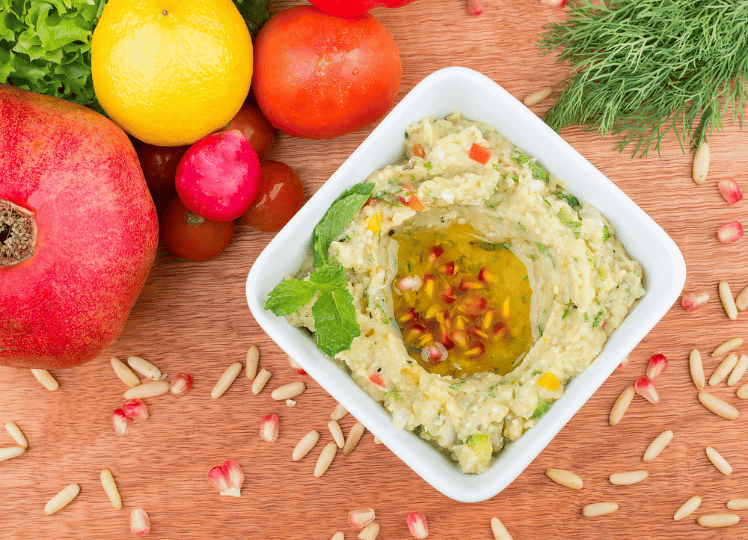
Lebanese cuisine’s origins are deeply rooted in the Levantine culture, which dates back thousands of years. The region’s fertile land and favorable climate allowed ancient civilizations to cultivate a variety of grains, vegetables, and fruits. Traditional Lebanese cooking techniques and recipes have been passed down through generations, influenced by the Phoenicians, Romans, and Ottomans. The result is a rich culinary heritage that emphasizes hospitality and communal dining.
-
02 Traditional Dishes
Lebanese cuisine features a wide array of traditional dishes, each showcasing the country’s diverse ingredients and culinary techniques:
- Mezze: An assortment of small dishes served as appetizers, including hummus, baba ghanoush, tabbouleh, and kibbeh.
- Falafel: Deep-fried balls made from ground chickpeas or fava beans, seasoned with herbs and spices, often served in pita bread with tahini sauce.
- Shawarma: Marinated meat (usually lamb, chicken, or beef) cooked on a vertical rotisserie, sliced thin, and served in a wrap or on a plate with garlic sauce.
- Manakish: A Lebanese flatbread topped with za’atar, cheese, or minced meat, often enjoyed for breakfast or as a snack.
- Fattoush: A fresh salad made with mixed greens, tomatoes, cucumbers, radishes, and fried pieces of pita bread, dressed with a tangy sumac and lemon vinaigrette.
- Mujadara: A comforting dish of lentils and rice, seasoned with caramelized onions and spices.
-
03 Ingredients and Spices
Lebanese cuisine is characterized by its use of fresh, wholesome ingredients and aromatic spices:
- Olive Oil: A staple in Lebanese cooking, used in salads, marinades, and for drizzling over dishes.
- Lemon Juice: Adds a bright, tangy flavor to many dishes, including salads, marinades, and sauces.
- Garlic: Used generously to enhance the flavor of sauces, marinades, and dishes like toum (garlic sauce).
- Mint and Parsley: Fresh herbs that are essential in salads, tabbouleh, and as garnishes.
- Sumac: A tangy spice made from dried sumac berries, used to add a lemony flavor to dishes like fattoush.
- Za’atar: A spice blend of thyme, sumac, sesame seeds, and salt, often sprinkled on manakish and used in marinades.
-
04 Cooking Techniques
Lebanese cooking involves a variety of techniques that highlight the natural flavors of the ingredients:
- Grilling: A popular method for cooking meats, vegetables, and bread, imparting a smoky flavor.
- Baking: Used for dishes like kibbeh and manakish, creating a crispy exterior and tender interior.
- Stuffing: Vegetables and leaves (like grape leaves) are often stuffed with a mixture of rice, meat, and spices, then cooked to perfection.
- Sautéing: Commonly used for preparing vegetables, garlic, and herbs, bringing out their flavors.
- Pickling: A traditional method for preserving vegetables, adding a tangy crunch to dishes.
-
05 Modern Influences and Adaptations
Lebanese cuisine continues to evolve, embracing modern culinary trends and incorporating new ingredients. Contemporary Lebanese chefs are experimenting with traditional recipes, adding innovative twists while maintaining the essence of the cuisine. The rise of Lebanese street food, such as shawarma and falafel, has also introduced these delicious flavors to a global audience.
-
06 Modern Uses of Lebanese Cuisine in Consumer Products
Lebanese cuisine has a significant presence in consumer products, making its rich flavors and culinary traditions accessible to a wider audience:
- Packaged Foods: Ready-to-eat meals, snacks, and dips that capture the essence of Lebanese cuisine for convenient consumption.
- Spices and Seasonings: Pre-mixed spice blends and seasoning packets for easy preparation of Lebanese dishes.
- Beverages: Traditional drinks like arak, rose water, and jallab, packaged for modern consumption.
- Condiments: A variety of sauces and spreads, including tahini, toum, and hummus, that enhance the flavor of meals.

Applications in Lebanese Cuisine

Ready-to-Eat Meals
Contract packagers can efficiently package ready-to-eat Lebanese meals, such as stuffed grape leaves, kibbeh, and tabbouleh, ensuring they are sealed for freshness and convenience.

Spices and Seasonings
Lebanese spices and seasoning blends, such as za’atar, sumac, and shawarma spice mix, can be packaged in various formats including sachets, jars, and resealable pouches.

Sauces and Condiments
Traditional Lebanese sauces like hummus, baba ghanoush, and garlic sauce require careful packaging to maintain their flavor and shelf life. Contract packagers offer solutions such as glass jars, plastic bottles, and single-serve packets.
Beverages
Drinks like arak, rose water, and jallab can be packaged in bottles, cartons, or powder sachets for easy distribution and consumption.
Snack Foods
Popular Lebanese snacks, such as pita chips, baklava, and dried fruit, benefit from specialized packaging that keeps them fresh and flavorful.


2000+
Manufacturers


