

Cuisines
Mediterranean cuisine, celebrated for its rich flavors, vibrant colors, and health benefits, encompasses the culinary traditions of countries surrounding the Mediterranean Sea. This diverse cuisine features an abundance of fresh vegetables, fruits, nuts, legumes, grains, olive oil, and a moderate amount of fish and poultry. Known for its heart-healthy ingredients and simple, yet flavorful, preparation methods, Mediterranean cuisine offers a delightful and wholesome dining experience.
-
01 Origins
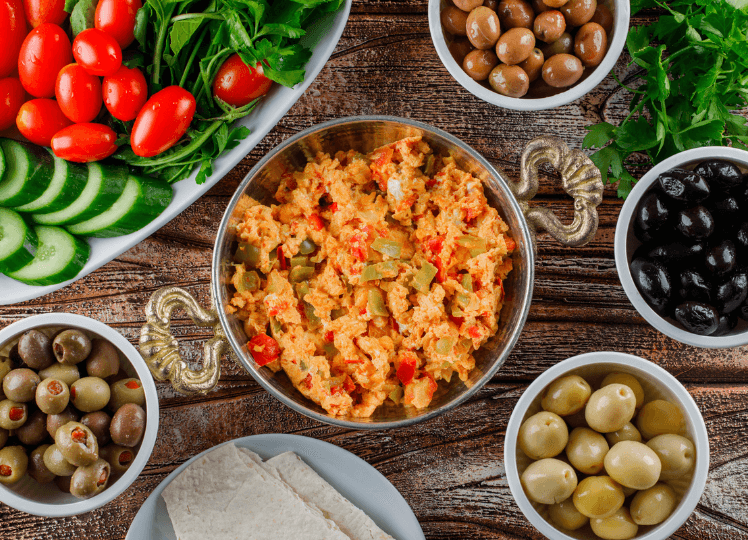
The roots of Mediterranean cuisine trace back thousands of years to ancient civilizations such as the Greeks, Romans, and Egyptians. The region’s geography and climate contributed to a diet rich in fresh produce, herbs, and seafood. Over centuries, trade routes and conquests introduced new ingredients and culinary techniques, blending influences from the Middle East, North Africa, and Southern Europe. This fusion of flavors and traditions has created a diverse and flavorful cuisine that continues to evolve.
-
02 Traditional Dishes
Mediterranean cuisine boasts a wide array of traditional dishes, each reflecting the unique ingredients and culinary practices of its region:
- Greek Salad: A refreshing mix of tomatoes, cucumbers, onions, olives, and feta cheese, dressed with olive oil and oregano.
- Paella: A Spanish rice dish cooked with saffron, vegetables, seafood, and meats such as chicken and rabbit.
- Falafel: Deep-fried balls made from ground chickpeas or fava beans, commonly served in pita bread with fresh vegetables and tahini sauce.
- Moussaka: A baked casserole featuring layers of eggplant, ground meat, and béchamel sauce, popular in Greek and Middle Eastern cuisine.
- Hummus: A creamy spread made from blended chickpeas, tahini, lemon juice, and garlic, often served with pita bread.
- Tabbouleh: A fresh salad made from bulgur wheat, parsley, tomatoes, mint, and lemon juice, originating from the Levantine region.
-
03 Ingredients and Spices
Mediterranean cuisine relies heavily on fresh, locally sourced ingredients and a variety of aromatic spices:
- Olive Oil: The cornerstone of Mediterranean cooking, used for sautéing, dressing, and drizzling.
- Garlic and Onions: Essential for adding depth and flavor to many dishes.
- Tomatoes: Used fresh, dried, or as a base for sauces and stews.
- Herbs: Fresh herbs like basil, oregano, rosemary, and thyme are commonly used.
- Legumes: Chickpeas, lentils, and beans are staple protein sources.
- Nuts and Seeds: Almonds, pine nuts, and sesame seeds add texture and flavor to dishes.
- Seafood: A variety of fish and shellfish are central to coastal Mediterranean diets.
-
04 Cooking Techniques
Mediterranean cooking involves various techniques that enhance the natural flavors of the ingredients:
- Grilling: Commonly used for meats, fish, and vegetables to impart a smoky flavor.
- Roasting: A technique for cooking vegetables and meats evenly while enhancing their sweetness.
- Stewing and Braising: Methods used to create rich, flavorful dishes like tagines and stews.
- Marinating: Often used to tenderize and flavor meats and fish.
- Baking: Popular for dishes like bread, pastries, and casseroles.
-
05 Modern Influences and Adaptations
In recent years, Mediterranean cuisine has gained international acclaim for its health benefits and delicious flavors. Contemporary chefs are experimenting with traditional ingredients and modern techniques to create innovative dishes that retain the essence of Mediterranean cooking. The cuisine’s emphasis on fresh, wholesome ingredients aligns with current trends toward healthier eating and sustainable sourcing.
-
06 Modern Uses of Mediterranean Cuisine in Consumer Products
Today, Mediterranean cuisine has a significant presence in consumer products, reflecting its rich flavors and culinary heritage:
- Packaged Foods: Ready-to-eat meals, snacks, and sauces that bring Mediterranean flavors to homes worldwide.
- Spices and Seasonings: Pre-mixed spice blends and seasoning packets for easy preparation of Mediterranean dishes.
- Beverages: Traditional drinks like Greek yogurt smoothies, herbal teas, and Mediterranean-style wines.
- Condiments: A variety of spreads, dips, and sauces such as hummus, tzatziki, and tapenade that enhance the flavor of meals.

Applications in Mediterranean Cuisine

Ready-to-Eat Meals
Contract packagers efficiently package ready-to-eat Mediterranean meals, such as falafel wraps, hummus plates, and moussaka, ensuring they are sealed for freshness and convenience.

Spices and Seasonings
Mediterranean spice blends, such as za’atar, sumac, and herbes de Provence, can be packaged in various formats, including sachets, jars, and resealable pouches.

Sauces and Condiments
Traditional Mediterranean sauces like tzatziki, harissa, and aioli require careful packaging to maintain their flavor and shelf life. Contract packagers offer solutions such as glass jars, plastic bottles, and single-serve packets.
Beverages
Drinks like herbal teas, Greek yogurt smoothies, and Mediterranean-style wines can be packaged in bottles, cartons, or powder sachets for easy distribution and consumption.
Snack Foods
Popular Mediterranean snacks, such as pita chips, olives, and dried fruit mixes, benefit from specialized packaging that keeps them crisp and flavorful.


2000+
Manufacturers


