

Cuisines
Middle Eastern cuisine, known for its rich and diverse flavors, is a culinary tradition that spans across a region with a rich history and cultural heritage. It encompasses a wide variety of dishes that feature bold spices, fresh herbs, and a harmonious blend of ingredients. Rooted in ancient civilizations and influenced by a myriad of cultures, Middle Eastern cuisine offers a tantalizing array of tastes and textures that reflect the geographical and cultural diversity of the region. Staples such as olives, dates, grains, and legumes are central to many dishes, showcasing the region’s agricultural abundance and culinary ingenuity.
-
01 Origins
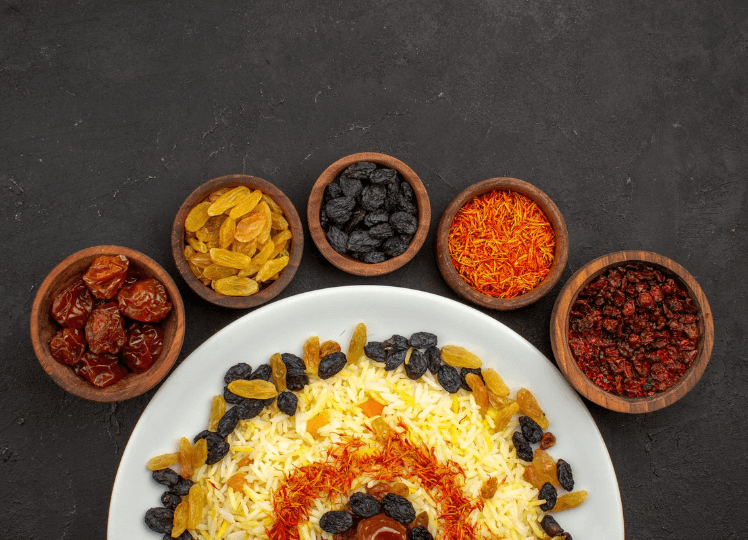
The origins of Middle Eastern cuisine can be traced back thousands of years to the ancient civilizations of Mesopotamia, Persia, and the Levant. These early cultures developed sophisticated agricultural techniques and culinary traditions based on locally available ingredients. The spread of Islam and the subsequent expansion of the Arab Empire introduced new ingredients and cooking techniques from across the Mediterranean, North Africa, and beyond. This rich tapestry of influences has resulted in a cuisine that is both diverse and unified by common themes and ingredients.
-
02 Traditional Dishes
Middle Eastern cuisine boasts an array of traditional dishes that vary by region, reflecting local ingredients and culinary practices:
- Hummus: A creamy dip made from blended chickpeas, tahini, olive oil, lemon juice, and garlic, often served with pita bread.
- Falafel: Deep-fried balls or patties made from ground chickpeas or fava beans, mixed with herbs and spices, typically served in pita bread with vegetables and sauces.
- Shawarma: Thinly sliced marinated meat (usually lamb, chicken, or beef) that is stacked on a vertical rotisserie and shaved off for serving in wraps or sandwiches.
- Tabbouleh: A refreshing salad made with finely chopped parsley, bulgur wheat, tomatoes, mint, onion, and seasoned with olive oil, lemon juice, and salt.
- Baba Ghanoush: A smoky, creamy dip made from roasted eggplant, tahini, olive oil, lemon juice, and garlic.
- Kebabs: Skewered and grilled pieces of meat or vegetables, often marinated and served with rice or bread.
- Dolma: Grape leaves stuffed with a mixture of rice, herbs, and sometimes meat, then cooked until tender.
-
03 Ingredients and Spices
Middle Eastern cuisine relies heavily on fresh, locally sourced ingredients and a wide array of spices:
- Olive Oil: A staple in Middle Eastern cooking, used in salads, marinades, and for cooking.
- Chickpeas and Lentils: Essential legumes used in dishes like hummus, falafel, and soups.
- Grains: Bulgur, rice, and couscous are commonly used in pilafs, salads, and side dishes.
- Spices: Cumin, coriander, turmeric, cinnamon, and sumac are commonly used to add depth and complexity to dishes.
- Herbs: Parsley, mint, and cilantro are frequently used to add freshness and flavor.
- Nuts and Seeds: Almonds, pistachios, and sesame seeds are often used in both savory and sweet dishes.
-
04 Cooking Techniques
Middle Eastern cooking involves a variety of techniques, some of which have been passed down through generations:
- Grilling and Roasting: Commonly used for meats and vegetables to enhance their natural flavors.
- Baking: Techniques for making breads like pita, flatbreads, and pastries.
- Stewing and Braising: Used for making hearty dishes like tagines and stews.
- Pickling: A method of preserving vegetables in vinegar and spices to add a tangy flavor to meals.
-
05 Modern Influences and Adaptations
In recent years, Middle Eastern cuisine has continued to evolve and adapt, influenced by global culinary trends and the availability of new ingredients. Contemporary Middle Eastern chefs are experimenting with traditional flavors and modern techniques to create innovative dishes that honor the roots of Middle Eastern cooking while appealing to a global audience. Middle Eastern street food, with its accessible and flavorful offerings, has also gained international popularity, introducing a wider audience to the delights of shawarma, falafel, and more.
-
06 Modern Uses of Middle Eastern Cuisine in Consumer Products
Today, Middle Eastern cuisine has a broad presence in consumer products, reflecting its rich flavors and culinary heritage:
- Packaged Foods: Ready-to-eat meals, snacks, and sauces that bring the flavors of the Middle East to homes around the world.
- Spices and Seasonings: Pre-mixed spice blends and seasoning packets for easy preparation of Middle Eastern dishes.
- Beverages: Traditional drinks like mint tea, rose water, and pomegranate juice.
- Condiments: A variety of dips, sauces, and pickled vegetables that enhance the flavor of meals.

Applications in Middle Eastern Cuisine

Ready-to-Eat Meals
Contract packagers can efficiently package ready-to-eat Middle Eastern meals, such as kebabs, shawarma, and falafel, ensuring they are sealed for freshness and convenience.

Spices and Seasonings
Middle Eastern spices and seasoning blends, such as za’atar, ras el hanout, and harissa, can be packaged in various formats including sachets, jars, and resealable pouches.

Sauces and Condiments
Traditional Middle Eastern sauces like tahini, harissa, and pomegranate molasses require careful packaging to maintain their flavor and shelf life. Contract packagers offer solutions such as glass jars, plastic bottles, and single-serve packets.
Beverages
Drinks like mint tea, rose water, and pomegranate juice can be packaged in bottles, cartons, or powder sachets for easy distribution and consumption.
Snack Foods
Popular Middle Eastern snacks, such as baklava, sesame sticks, and dried fruits, benefit from specialized packaging that keeps them fresh and flavorful.


2000+
Manufacturers


