

Cuisines
Peruvian cuisine, a vibrant and diverse culinary tradition, is renowned for its rich flavors, unique ingredients, and historical influences. Rooted in the country’s varied geography and the fusion of indigenous and immigrant cultures, Peruvian food offers a delightful blend of tastes and textures that reflect its long and storied history. Staples such as potatoes, corn, quinoa, and a variety of native peppers are central to many dishes, showcasing the bounty of Peru’s land and heritage.
-
01 Origins
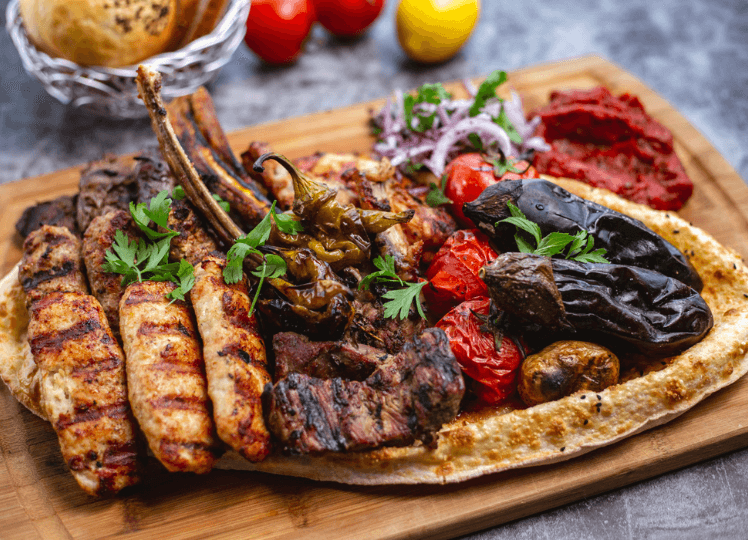
The origins of Peruvian cuisine date back to ancient civilizations such as the Incas, who developed sophisticated agricultural techniques and a rich culinary tradition based on locally available ingredients. The Spanish conquest in the 16th century introduced new foods such as rice, wheat, and meats, which were integrated into traditional dishes. Over the centuries, influences from African, Chinese, Japanese, and European immigrants further enriched Peruvian cuisine, creating a unique and diverse culinary tapestry.
-
02 Traditional Dishes
Peruvian cuisine boasts an array of traditional dishes that vary by region, reflecting local ingredients and culinary practices:
- Ceviche: A popular dish made with fresh raw fish marinated in lime juice, mixed with onions, cilantro, and chili peppers, often served with sweet potato or corn.
- Lomo Saltado: A stir-fry dish combining marinated strips of sirloin with onions, tomatoes, and fries, reflecting the influence of Chinese cuisine.
- Aji de Gallina: Shredded chicken in a creamy, spicy sauce made with yellow chili peppers, cheese, and walnuts, typically served over rice.
- Papa a la Huancaína: Sliced boiled potatoes covered in a rich, spicy cheese sauce made from queso fresco and yellow peppers.
- Causa Rellena: Layered mashed potatoes mixed with lime and aji peppers, stuffed with chicken, tuna, or avocado, often garnished with olives and hard-boiled eggs.
- Anticuchos: Skewers of marinated beef heart, grilled and served with boiled potatoes or corn.
-
03 Ingredients and Spices
Peruvian cuisine relies heavily on fresh, locally sourced ingredients and a wide array of spices:
- Potatoes: Peru is home to thousands of potato varieties, a staple in many dishes.
- Corn: Another essential ingredient, used in dishes like tamales and humitas.
- Quinoa: An ancient grain that is a significant source of protein and used in soups, salads, and main dishes.
- Aji Peppers: Varieties like aji amarillo and aji panca add heat and flavor to many Peruvian dishes.
- Cilantro and Garlic: Common herbs used to enhance the flavor of various dishes.
- Limes: Essential for marinating ceviche and adding a citrusy tang to many dishes.
-
04 Cooking Techniques
Peruvian cooking involves a variety of techniques, both ancient and influenced by other cultures:
- Marinating: A crucial technique for dishes like ceviche, where fish is marinated in lime juice.
- Stir-Frying: Used in dishes like lomo saltado, reflecting the influence of Chinese immigrants.
- Baking and Roasting: Techniques used for preparing meats and potatoes.
- Boiling and Steaming: Methods for cooking ingredients like corn and potatoes in dishes such as tamales and causa.
-
05 Modern Influences and Adaptations
In recent years, Peruvian cuisine has continued to evolve and adapt, influenced by global culinary trends and the availability of new ingredients. Contemporary Peruvian chefs are experimenting with traditional flavors and modern techniques to create innovative dishes that honor the roots of Peruvian cooking while appealing to a global audience. Peruvian street food, with its accessible and flavorful offerings, has also gained international popularity, introducing a wider audience to the delights of dishes like anticuchos and empanadas.
-
06 Modern Uses of Peruvian Cuisine in Consumer Products
Today, Peruvian cuisine has a broad presence in consumer products, reflecting its rich flavors and culinary heritage:
- Packaged Foods: Ready-to-eat meals, snacks, and sauces that bring the flavors of Peru to homes around the world.
- Spices and Seasonings: Pre-mixed spice blends and seasoning packets for easy preparation of Peruvian dishes.
- Beverages: Traditional drinks like chicha morada and Inca Kola.
- Condiments: A variety of aji sauces, hot sauces, and marinades that enhance the flavor of meals.

Applications in Peruvian Cuisine

Ready-to-Eat Meals
Contract packagers can efficiently package ready-to-eat Peruvian meals, such as ceviche kits, lomo saltado, and aji de gallina, ensuring they are sealed for freshness and convenience.

Spices and Seasonings
Peruvian spices and seasoning blends, such as aji amarillo, aji panca, and cumin, can be packaged in various formats including sachets, jars, and resealable pouches.

Sauces and Condiments
Traditional Peruvian sauces like aji verde, huancaína sauce, and rocoto sauce require careful packaging to maintain their flavor and shelf life. Contract packagers offer solutions such as glass jars, plastic bottles, and single-serve packets.
Beverages
Drinks like chicha morada, Inca Kola, and pisco can be packaged in bottles, cartons, or powder sachets for easy distribution and consumption.
Snack Foods
Popular Peruvian snacks, such as cancha (toasted corn), yucca chips, and dried fruits, benefit from specialized packaging that keeps them crisp and flavorful.


2000+
Manufacturers


