

Cuisines
Soul cuisine, deeply rooted in African-American history and culture, is a rich and flavorful culinary tradition that celebrates heritage, resilience, and community. Known for its hearty, comforting dishes, soul food combines simple, high-quality ingredients with techniques passed down through generations. The flavors are bold and satisfying, often featuring a mix of savory, sweet, and spicy elements. Originating from the Southern United States, soul cuisine reflects the ingenuity and resourcefulness of African-American cooks who transformed humble ingredients into beloved dishes.
-
01 Origins
The origins of soul cuisine can be traced back to the transatlantic slave trade, when African slaves were brought to the Southern United States. They brought with them traditional African cooking techniques and ingredients, which they adapted to the ingredients available in the New World. This fusion of African, Native American, and European culinary traditions laid the foundation for what we now know as soul food. Despite the hardships they faced, African-American cooks created a rich culinary heritage that has become an integral part of American cuisine.
-
02 Traditional Dishes
Soul cuisine boasts an array of traditional dishes that are celebrated for their flavor and cultural significance:
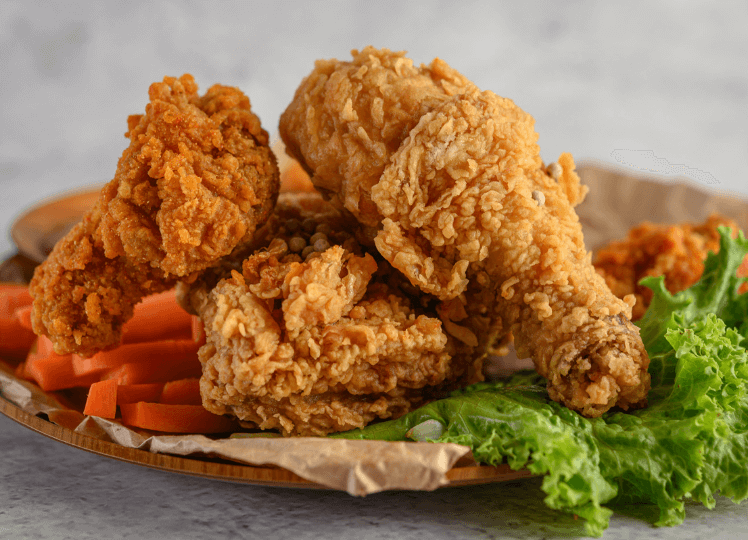
- Fried Chicken: A staple of soul food, fried chicken is seasoned and breaded before being deep-fried to a crispy golden brown. It’s often served with sides like collard greens and cornbread.
- Collard Greens: These leafy greens are typically slow-cooked with smoked meat, such as ham hocks or turkey legs, to infuse them with deep, savory flavors.
- Macaroni and Cheese: This creamy, cheesy pasta dish is a soul food favorite, often baked until golden and bubbly.
- Black-Eyed Peas: Traditionally eaten on New Year’s Day for good luck, black-eyed peas are often simmered with onions, garlic, and smoked meat.
- Cornbread: A classic side dish, cornbread is made from cornmeal and can be sweet or savory, often served alongside hearty stews and soups.
- Sweet Potato Pie: A popular dessert in soul cuisine, sweet potato pie features a spiced sweet potato filling in a flaky pie crust.
- Gumbo; A rich, flavorful stew made with a variety of meats, seafood, and vegetables, thickened with okra or filé powder, and served over rice.
-
03 Ingredients and Spices
Soul cuisine relies on a variety of fresh, locally sourced ingredients and distinctive spices:
- Cornmeal: Used in dishes like cornbread and hushpuppies, cornmeal is a versatile staple in soul food cooking.
- Greens: Collard greens, mustard greens, and turnip greens are commonly used, often cooked slowly with smoked meat.
- Sweet Potatoes: A key ingredient in many dishes, including sweet potato pie, candied yams, and casseroles.
- Okra: Used in gumbo and fried as a side dish, okra is valued for its unique texture and flavor.
- Black-Eyed Peas: A traditional legume that is often cooked with smoked meat for added flavor.
- Spices: Common spices include paprika, cayenne pepper, garlic powder, and onion powder, which add depth and warmth to many dishes.
-
04 Cooking Techniques
Soul cuisine involves a variety of cooking techniques that enhance flavor and texture:
- Frying: Used for dishes like fried chicken, catfish, and fritters, frying creates a crispy exterior while keeping the inside tender.
- Slow Cooking: Techniques like braising and simmering are used for greens, beans, and stews, allowing flavors to meld and intensify.
- Baking: Baking is essential for dishes like macaroni and cheese, sweet potato pie, and cornbread.
- Smoking: Smoking meats like ham hocks and turkey legs adds a deep, smoky flavor to dishes like greens and beans.
-
05 Modern Influences and Adaptations
In recent years, soul cuisine has continued to evolve, influenced by global culinary trends and a renewed focus on health and sustainability. Contemporary chefs are reimagining traditional soul food dishes, incorporating fresh, local ingredients and modern techniques. Vegan and vegetarian adaptations of soul food classics are becoming more popular, offering healthier options without sacrificing flavor. Additionally, soul food has gained international recognition, introducing a global audience to its rich culinary heritage.
-
06 Modern Uses of Soul Cuisine in Consumer Products
Today, soul cuisine has a broad presence in consumer products, reflecting its rich flavors and culinary heritage:
- Packaged Foods: Ready-to-eat meals, snacks, and sides that bring the flavors of soul food to homes around the world.
- Spices and Seasonings: Pre-mixed spice blends and seasoning packets for easy preparation of soul food dishes.
- Sauces and Condiments: A variety of barbecue sauces, hot sauces, and marinades that enhance the flavor of meals.
- Desserts: Packaged desserts like sweet potato pie and peach cobbler that offer a taste of traditional soul food sweets.

Applications in Soul Cuisine

Ready-to-Eat Meals
Contract packagers can efficiently package ready-to-eat soul food meals, such as fried chicken, macaroni and cheese, and collard greens, ensuring they are sealed for freshness and convenience.

Spices and Seasonings
Soul food spices and seasoning blends, such as Cajun seasoning, jerk seasoning, and barbecue rubs, can be packaged in various formats including sachets, jars, and resealable pouches.

Sauces and Condiments
Traditional soul food sauces like hot sauce, barbecue sauce, and gravy require careful packaging to maintain their flavor and shelf life. Contract packagers offer solutions such as glass jars, plastic bottles, and single-serve packets.
Desserts
Soul food desserts like sweet potato pie and peach cobbler can be packaged in formats such as frozen pies, single-serve portions, and baked goods.


2000+
Manufacturers


