

Cuisines
Tex-Mex cuisine, a delightful fusion of Texan and Mexican culinary traditions, has carved a unique niche in the world of gastronomy. Characterized by its robust flavors, hearty dishes, and liberal use of cheese and spices, Tex-Mex offers a deliciously distinct take on Mexican cuisine. Born from the cultural confluence along the Texas-Mexico border, this cuisine combines elements from both regions, creating an array of mouthwatering dishes that have gained international acclaim.
-
01 Origins
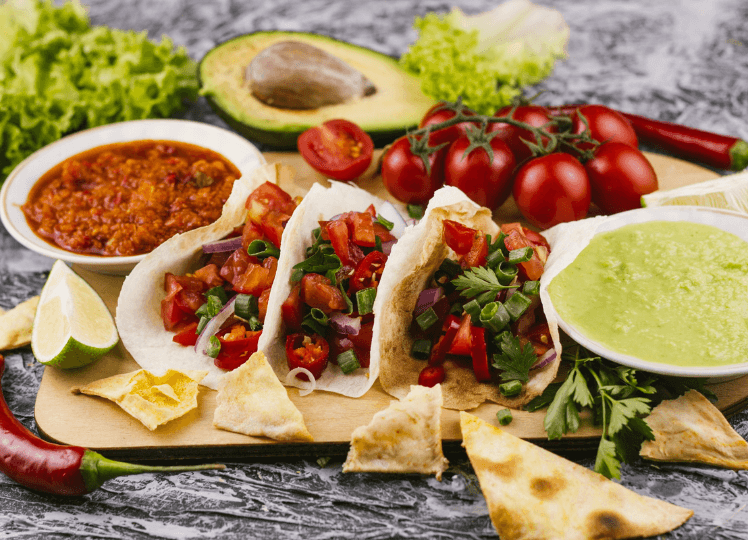
The roots of Tex-Mex cuisine lie in the blending of native Mexican foods with Texan influences. This fusion began in the 19th century when Tejanos (Texans of Mexican descent) adapted traditional Mexican recipes using locally available ingredients. Over time, Anglo settlers contributed to this culinary blend, introducing new ingredients and cooking techniques. The result is a cuisine that, while reminiscent of Mexican food, boasts unique characteristics such as the extensive use of beef, wheat flour (for tortillas), and a preference for milder chili varieties.
-
02 Traditional Dishes
Tex-Mex cuisine features a variety of beloved dishes, many of which have become staples in American dining:
- Chili Con Carne: A hearty stew made with ground beef, chili peppers, tomatoes, and beans, often topped with cheese and served with cornbread or tortillas.
- Fajitas: Grilled strips of marinated beef or chicken served with sautéed onions and bell peppers, typically accompanied by tortillas, guacamole, and salsa.
- Quesadillas: Flour tortillas filled with cheese and other ingredients such as meats, beans, and vegetables, then grilled until the cheese melts.
- Nachos: Tortilla chips topped with melted cheese, jalapeños, beans, and various other toppings like ground beef, sour cream, and guacamole.
- Burritos: Large flour tortillas filled with a variety of ingredients such as rice, beans, meat, cheese, and vegetables, then rolled and often served with a sauce.
- Tex-Mex Enchiladas: Corn tortillas filled with meat, cheese, or beans, rolled and covered in a rich chili gravy and melted cheese.
-
03 Ingredients and Spices
Tex-Mex cuisine relies on a diverse range of ingredients and spices that contribute to its distinctive flavors:
- Beef: A central ingredient, used in dishes like chili con carne and fajitas.
- Cheese: Generously used, especially cheddar and Monterey Jack, adding creaminess to many dishes.
- Chilies: While milder than those used in traditional Mexican cuisine, chilies such as jalapeños and poblanos are commonly used.
- Cumin and Paprika: Essential spices that add depth and warmth to Tex-Mex dishes.
- Tomatoes: Used in salsas, sauces, and stews, providing a fresh, tangy flavor.
- Flour Tortillas: Preferred over corn tortillas, particularly for dishes like burritos and quesadillas.
-
04 Cooking Techniques
The preparation of Tex-Mex cuisine involves a variety of cooking techniques:
- Grilling: Used extensively for meats and vegetables, imparting a smoky flavor.
- Baking: Commonly used for dishes like enchiladas and nachos, ensuring cheese is melted and flavors meld together.
- Frying: Utilized for making crispy tortilla chips, chimichangas, and other fried treats.
- Simmering and Stewing: Essential for slow-cooked dishes like chili con carne, allowing flavors to develop fully.
-
05 Modern Influences and Adaptations
Tex-Mex cuisine has evolved to incorporate modern culinary trends and global influences. Contemporary chefs experiment with traditional Tex-Mex flavors, creating innovative dishes that appeal to a wide audience. The cuisine’s versatility and hearty appeal have also made it a popular choice for fusion dishes, blending elements from various culinary traditions.
-
06 Modern Uses of Tex-Mex Cuisine in Consumer Products
Today, Tex-Mex flavors are widely available in various consumer products, reflecting the cuisine’s popularity:
- Packaged Foods: Ready-to-eat meals, frozen burritos, and Tex-Mex inspired snacks.
- Spices and Seasonings: Pre-mixed spice blends for easy preparation of Tex-Mex dishes at home.
- Beverages: Traditional drinks like margaritas and Tex-Mex inspired cocktail mixes.
- Condiments: A variety of salsas, queso dips, and hot sauces that enhance the flavor of meals.

Applications in Tex-Mex Cuisine

Ready-to-Eat Meals
Contract packagers efficiently package Tex-Mex meals such as burritos, enchiladas, and nachos, ensuring freshness and convenience.

Spices and Seasonings
Tex-Mex spice blends and seasoning packets are packaged in various formats, including sachets, jars, and resealable pouches.

Sauces and Condiments
Salsas, queso dips, and hot sauces are carefully packaged to maintain flavor and shelf life, often in glass jars or plastic bottles.
Beverages
Tex-Mex beverages like margarita mixes and aguas frescas are packaged for easy distribution and consumption.
Snack Foods
Popular Tex-Mex snacks, such as tortilla chips and nacho cheese dips, benefit from packaging that keeps them fresh and crisp.


2000+
Manufacturers


