

Your Baked Goods. Your Recipe. The Right Contract Manufacturer.
Breads are a fundamental part of diets worldwide, serving as a versatile base for a myriad of culinary creations. They come in an array of varieties, each with unique textures, flavors, and uses, catering to diverse preferences and dietary needs. Whether enjoyed fresh, toasted, or as part of a recipe, breads are an indispensable component of daily nutrition.
-
01 Types of Breads:
- White Bread: Known for its soft texture and mild flavor, white bread is made from refined wheat flour. It is often enriched with vitamins and minerals and is a popular choice for sandwiches and toast.
- Whole Wheat Bread: Made from whole grain wheat flour, this bread retains more nutrients and fiber compared to white bread. Its denser texture and nutty flavor make it a healthier alternative for those seeking added nutritional benefits.
- Multigrain Bread: This type combines various grains and seeds, such as oats, barley, and flaxseeds, offering a complex flavor profile and a robust nutritional profile rich in fiber, protein, and essential fatty acids.
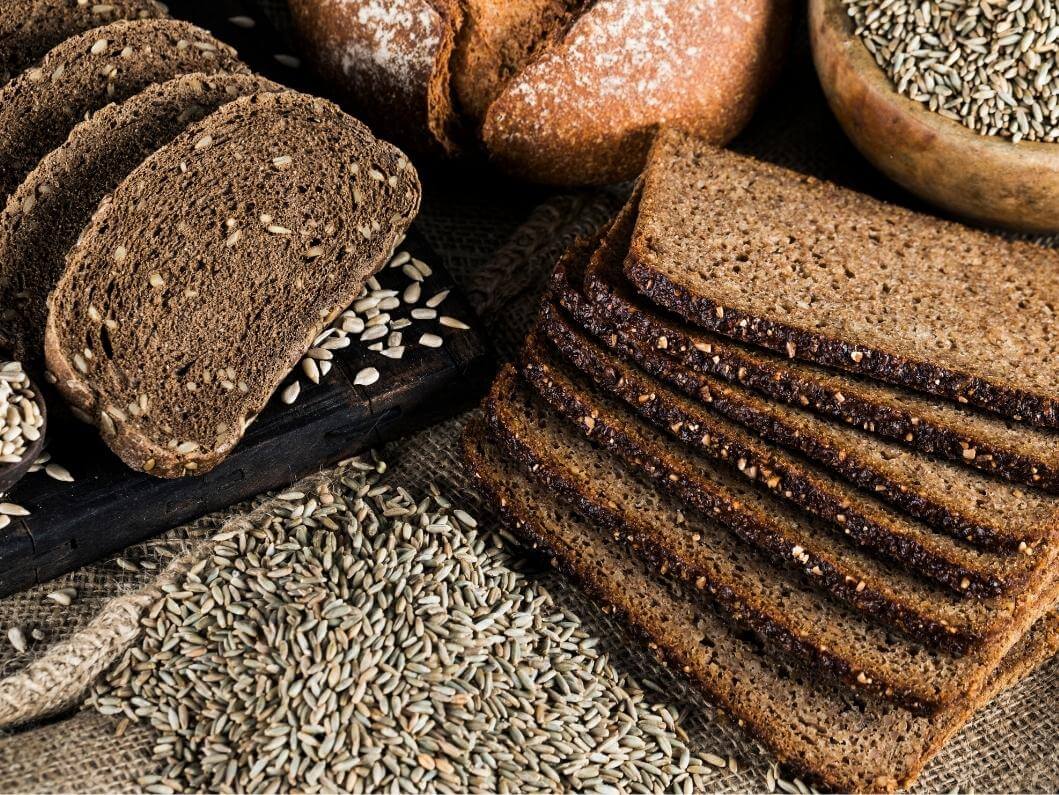
- Rye Bread: With a dense texture and a distinctive, slightly sour taste, rye bread is made from rye flour. It is particularly popular in Eastern European cuisines and is often used for making hearty sandwiches.
- Sourdough Bread: Known for its tangy flavor and chewy texture, sourdough is made through a fermentation process involving natural yeasts and lactobacilli. This bread is easier to digest and has a lower glycemic index than many other types.
- Gluten-Free Bread: Designed for those with gluten sensitivities or celiac disease, gluten-free bread can be made from various flours such as rice, almond, or tapioca. These breads are crafted to mimic the texture and flavor of traditional bread without the gluten.
- Artisan Bread: Often crafted by hand and baked in small batches, artisan breads emphasize traditional methods and high-quality ingredients. They can include a variety of types, such as ciabatta, baguettes, and focaccia, each with unique crusts and crumb structures.
- Flatbreads: Including varieties such as pita, naan, and tortillas, flatbreads are typically thinner and often used in wraps, sandwiches, or as accompaniments to meals. They can be made from a range of flours and are sometimes leavened.
-
02 Formulations of Breads:
- Enriched Breads: These breads are fortified with additional nutrients such as iron, calcium, and B vitamins. Enriched breads provide enhanced nutritional value, making them beneficial for individuals needing specific dietary supplements.
- High-Fiber Breads: Formulated to include extra dietary fiber, these breads often incorporate ingredients like bran, seeds, and whole grains. They are designed to support digestive health and maintain steady blood sugar levels.
- Protein-Enhanced Breads: Ideal for those looking to increase their protein intake, these breads include added protein sources like whey, soy, or pea protein. They are especially popular among fitness enthusiasts and those following high-protein diets.
- Low-Carb Breads: Targeting individuals on ketogenic or low-carbohydrate diets, these breads reduce the overall carbohydrate content, often substituting traditional flours with almond flour, coconut flour, or psyllium husk.
- Sweet Breads: This category includes bread varieties like brioche, cinnamon rolls, and banana bread, which are typically sweeter and often enjoyed as desserts or breakfast items. They may contain added sugars, fruits, nuts, and spices.
- Savory Breads: Incorporating ingredients such as cheese, herbs, garlic, and olives, savory breads are perfect for complementing meals or enjoying as snacks. Examples include garlic bread, cheese bread, and herb focaccia.
- Sprouted Grain Breads: Made from grains that have been allowed to sprout before being ground into flour, these breads are reputed to have enhanced nutritional profiles, including higher levels of vitamins, minerals, and antioxidants.
- Specialty Diet Breads: Catering to various dietary needs, these include vegan breads (made without any animal products), paleo breads (using ingredients like almond flour and coconut flour), and diabetic-friendly breads (low in sugar and high in fiber).




2000+
Manufacturers


