

Your Gluten-free Food. Your Recipe. The Right Contract Manufacturer.
Gluten-free foods are specially formulated products that do not contain gluten, a protein found in wheat, barley, and rye. These foods are essential for individuals with celiac disease, gluten sensitivity, or those opting for a gluten-free lifestyle. By providing safe and delicious alternatives, gluten-free foods help maintain a balanced diet while ensuring that dietary restrictions do not compromise flavor or nutrition. With an increasing awareness of gluten-related health issues, the gluten-free market has expanded significantly, offering a diverse range of options suitable for various culinary uses.
Regular consumption of gluten-free foods can enhance overall well-being, as they often incorporate wholesome ingredients that are naturally gluten-free, such as grains like quinoa, brown rice, and buckwheat. These products are formulated to provide not only safety but also taste and texture comparable to their gluten-containing counterparts, making them appealing to a broader audience beyond those with dietary restrictions.
-
01 Types of Gluten-Free Foods
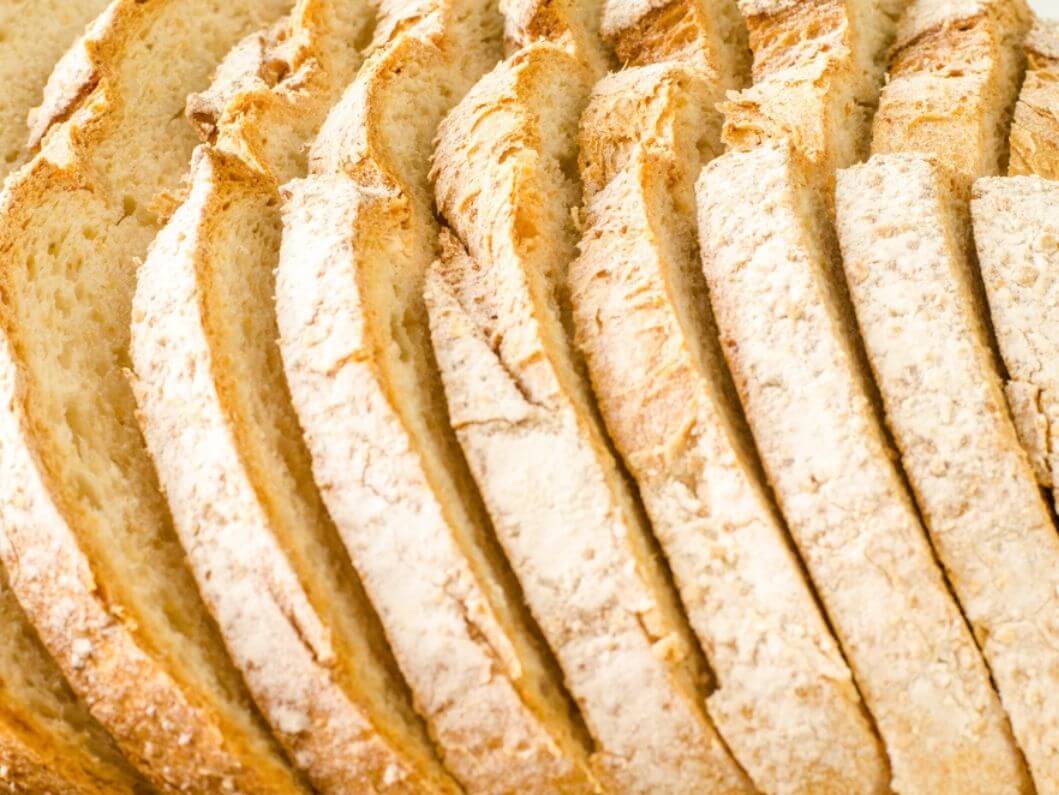
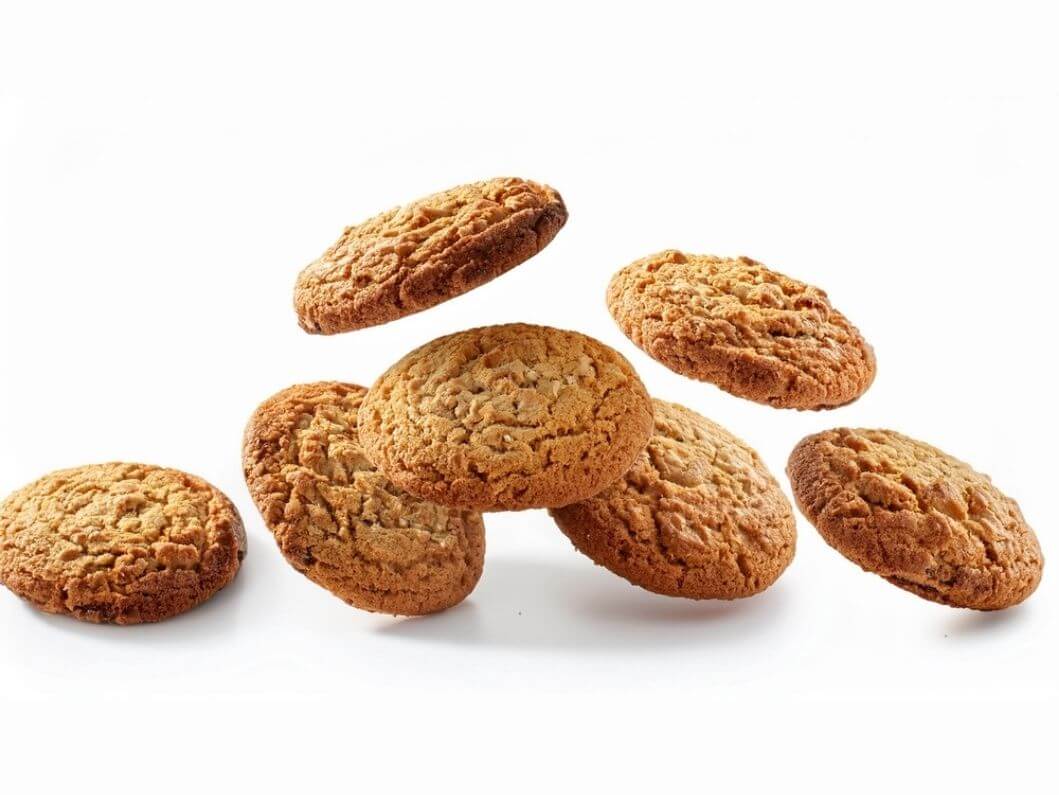
- Baked Goods: These include gluten-free breads, muffins, cakes, and cookies, typically made with gluten-free flours such as almond flour, coconut flour, or rice flour. Baked goods often use binders like xanthan gum or psyllium husk to mimic the texture of traditional products.
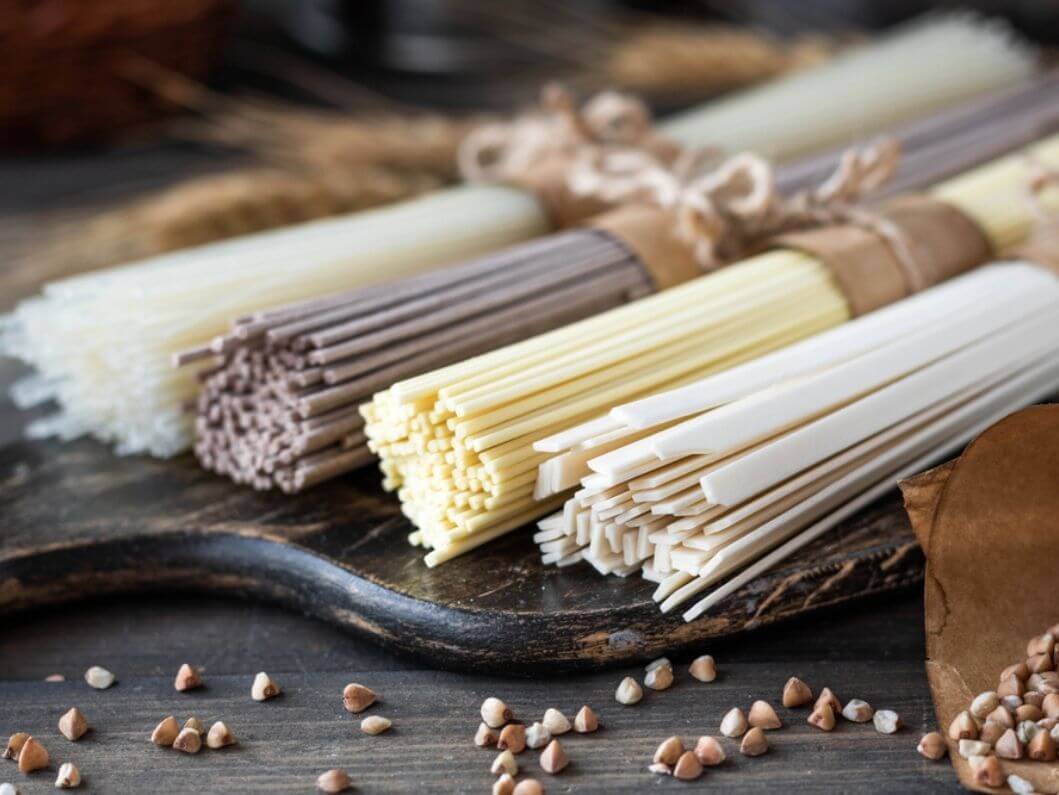
- Pasta: Gluten-free pasta varieties are made from alternative ingredients such as corn, quinoa, or lentils. These options retain a satisfying texture and can be used in various recipes, from traditional Italian dishes to Asian stir-fries.
- Snacks: The gluten-free snack market encompasses a variety of options, including chips, crackers, and pretzels made from gluten-free grains or legumes. Many of these snacks are fortified with additional nutrients and flavors to enhance their appeal.
- Cereals: Gluten-free cereals are made from grains like oats (ensure they are certified gluten-free), corn, or rice, providing a nutritious breakfast option. These cereals often come in various flavors and textures, catering to diverse consumer preferences.
- Sauces and Condiments: Many sauces, dressings, and condiments are naturally gluten-free or specially formulated to be gluten-free. These products often utilize gluten-free ingredients like vinegar, mustard, or soy sauce alternatives to ensure safe consumption.
- Frozen Foods: A growing range of frozen gluten-free meals and snacks are available, offering convenience without sacrificing quality. These products are often ready-to-eat or require minimal preparation, appealing to busy consumers.
-
02 Formulations of Gluten-Free Foods
- Flours: Gluten-free flours, such as almond flour, coconut flour, and gluten-free all-purpose flour blends, serve as versatile substitutes in baking and cooking. These flours can be combined for optimal texture and flavor in various recipes.
- Baking Mixes: Pre-mixed gluten-free baking blends simplify the process of creating gluten-free baked goods. These mixes often include a combination of gluten-free flours, starches, and leavening agents, making it easy to prepare cakes, cookies, or pancakes.
- Meal Replacements: Gluten-free meal replacement bars and shakes are formulated to provide balanced nutrition while adhering to gluten-free standards. These products are often enriched with vitamins and minerals, making them suitable for on-the-go consumption.
- Snack Bars: Gluten-free snack bars made from nuts, seeds, and dried fruits offer a nutritious, convenient option for those looking for a quick energy boost. These bars can also be tailored to meet specific dietary needs, such as low-sugar or high-protein.
- Frozen Meals: Ready-to-eat gluten-free frozen meals are designed to provide convenience and flavor, often featuring a variety of proteins, vegetables, and gluten-free grains. These meals are ideal for busy individuals seeking healthy, gluten-free options.



2000+
Manufacturers


