

Pickling Food Processing Type
Pickling is a method used to preserve or extend the shelf life of food by either anaerobic fermentation in brine or immersion in vinegar. The process of pickling began thousands of years ago as a way to preserve food for out-of-season use and for long journeys, especially by sea. While it is commonly applied to vegetables and fruits, pickling can also be used for meats and fish. Pickling has transcended its original purpose as a preservation method to become a way to enjoy and enhance the flavors of foods in diverse culinary traditions worldwide. The process is valued not only for its ability to preserve foods but also for the rich, tangy flavors it imparts, making it a beloved practice in many cultures.
-
01 How Does Pickling Work?
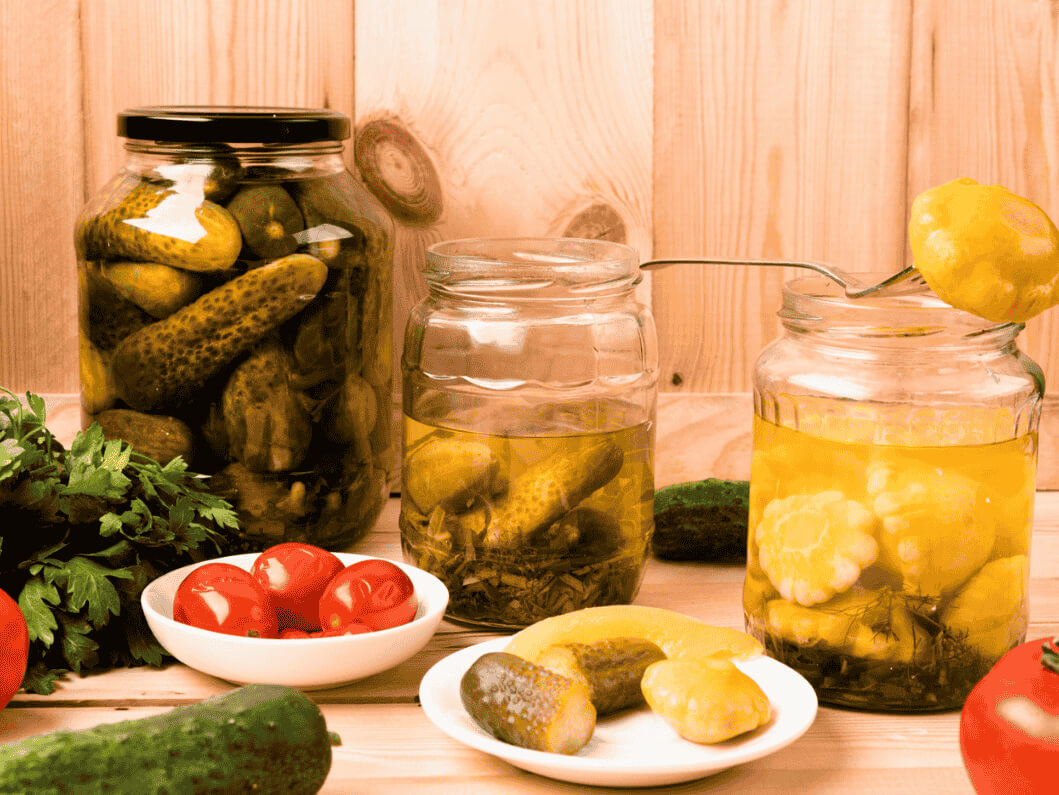
- The fundamental process of pickling involves immersing the food items in a solution that inhibits the growth of microbes, which are primarily responsible for food spoilage. There are two main types of pickling methods: vinegar-based pickling and fermentation-based pickling.
-
02 Benefits of Pickling
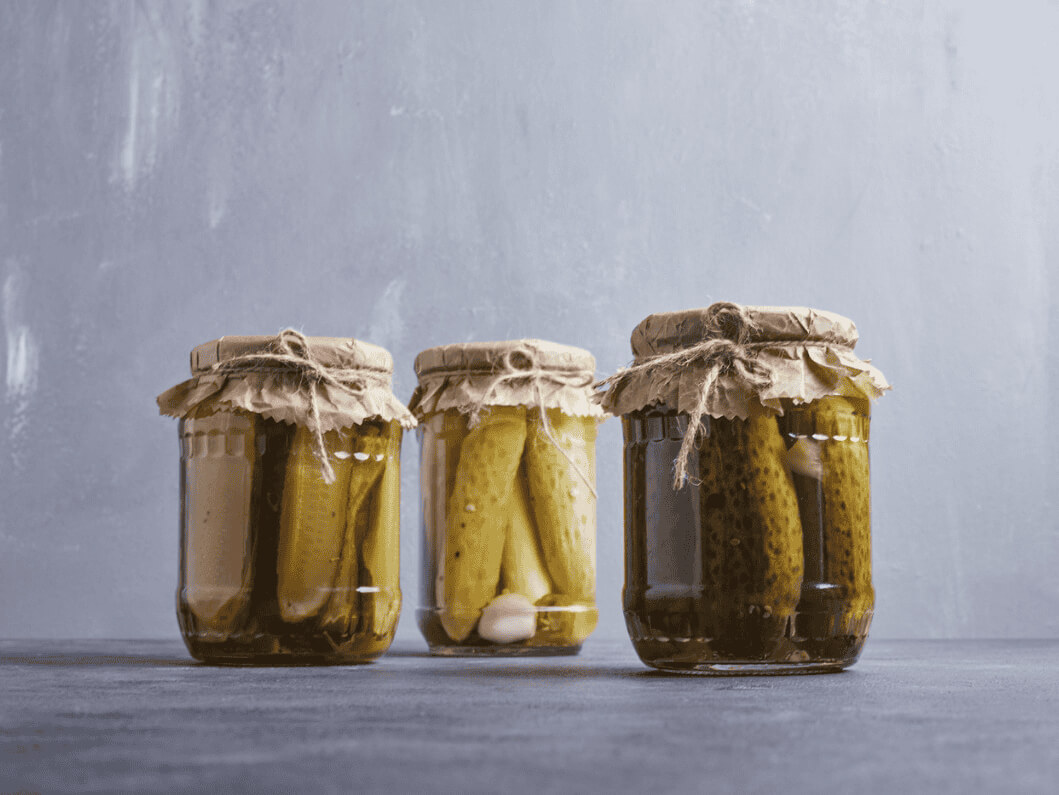
Pickling offers several benefits beyond simply extending the shelf life of food:
- Nutritional Enhancement: Pickling can enhance the nutritional profile of food by introducing B-vitamins produced by bacteria during the fermentation process.
- Probiotic Qualities: Fermented pickles are rich in probiotics, beneficial bacteria that play a role in gut health, improving digestion and the immune system.
- Flavor Development: The pickling process can significantly enhance the flavor of the food, adding a unique taste through the use of various spices and herbs.
- Reduction of Food Waste: By preserving seasonal produce, pickling helps reduce food waste, allowing for enjoyment of certain foods year-round.
- Economic Benefits: It can be an economically advantageous process, especially for individuals looking to preserve large amounts of seasonal produce cheaply and efficiently.
-
03 Examples of Pickling Applications
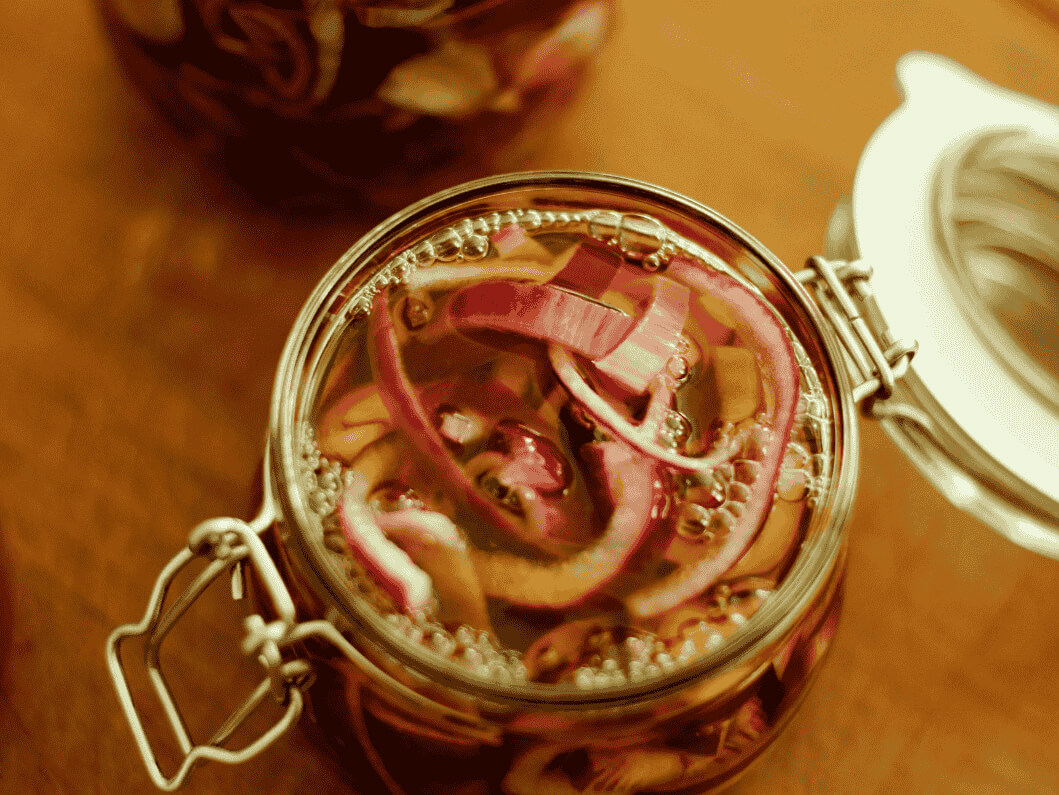
Pickling is widely used in various cuisines around the world, each having unique techniques and flavors:
- Cucumbers: One of the most common pickled items globally, often spiced with dill and garlic in what are commonly referred to as dill pickles.
- Sauerkraut: Made by fermenting cabbage in its own juice with salt, sauerkraut is a staple in Eastern European cuisine.
- Kimchi: A staple in Korean cuisine, this is a traditional side dish made from salted and fermented vegetables, primarily napa cabbage and Korean radishes, with a variety of seasonings.
- Pickled Onions: Popular in British cuisine, these are typically made by pickling onions in a mixture of malt vinegar, sugar, and spices.
- Indian Pickles: Known as “achar,” Indian pickles are typically made from a variety of vegetables and fruits, pickled with oil, a blend of spices, and sometimes citrus juice.

Your Gateway to Seamless Pickling Solutions
CoPack Connect can connect brands with contract manufacturers and packagers that offer pickling services. We make it easy for businesses to find the right manufacturer for their needs and provide the tools and resources they need to manage their relabeling projects successfully.



2000+
Manufacturers


