

Your Dips. Your Recipe. The Right Contract Manufacturer.
Salsa dips are a vibrant and flavorful addition to many dishes, offering a mix of fresh ingredients like tomatoes, onions, peppers, and an array of spices. They are a staple in Mexican cuisine but have found a place in global culinary traditions due to their versatility and ability to enhance the flavor profile of various dishes. Salsa dips are not only delicious but also provide nutritional benefits, including vitamins, antioxidants, and sometimes even probiotic advantages.
-
01 Types of Salsa Dips:
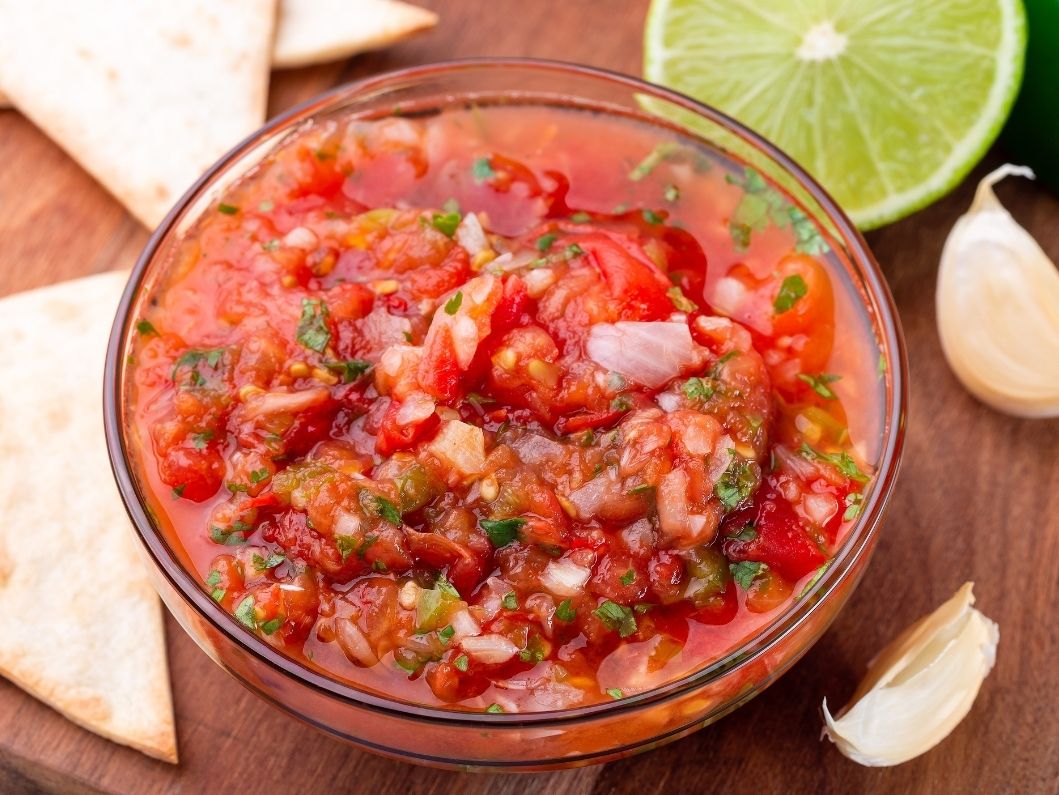
1. Tomato-Based Salsa:
- Pico de Gallo: Known as “fresh salsa” or “salsa fresca,” this uncooked mixture includes diced tomatoes, onions, cilantro, jalapeños, and lime juice. Its chunky texture and fresh, tangy flavor make it a favorite for topping tacos, grilled meats, and salads.
- Salsa Roja: A classic red salsa, often cooked and blended to a smooth consistency. It typically contains tomatoes, onions, garlic, and chilies, offering a rich and slightly spicy flavor. It’s commonly used as a dipping sauce or to enhance the taste of various Mexican dishes.
2. Fruit-Based Salsa:
- Mango Salsa: Combines ripe mangoes with red onions, bell peppers, cilantro, and lime juice. This sweet and tangy salsa pairs well with seafood dishes, particularly grilled fish and shrimp, adding a tropical twist.
- Pineapple Salsa: A blend of pineapple, red onion, jalapeño, and cilantro, this salsa offers a balance of sweetness and heat. It complements pork, chicken, and even serves as a refreshing topping for salads.
3. Vegetable-Based Salsa:
- Corn Salsa: A hearty mix of corn, black beans, red onion, bell peppers, and cilantro, often seasoned with lime juice and spices. This salsa adds texture and flavor to tacos, burritos, and salads, making it a versatile addition to any meal.
- Avocado Salsa: A creamy blend of avocados, tomatoes, onions, cilantro, and lime juice. This rich and smooth salsa is perfect for dipping or as a topping for grilled meats and tacos.
4. Specialty Salsa:
- Salsa Verde: Made from tomatillos, green chilies, garlic, and cilantro, this green salsa has a tangy and slightly tart flavor. It’s commonly used in Mexican cuisine to top enchiladas, tacos, and tamales, as well as a base for green chili sauce.
- Chipotle Salsa: Features smoked chipotle peppers blended with tomatoes, onions, and spices. This smoky and robust salsa is ideal for grilled meats and hearty dishes, adding depth and complexity to the flavor.
-
02 Formulations of Salsa Dips:
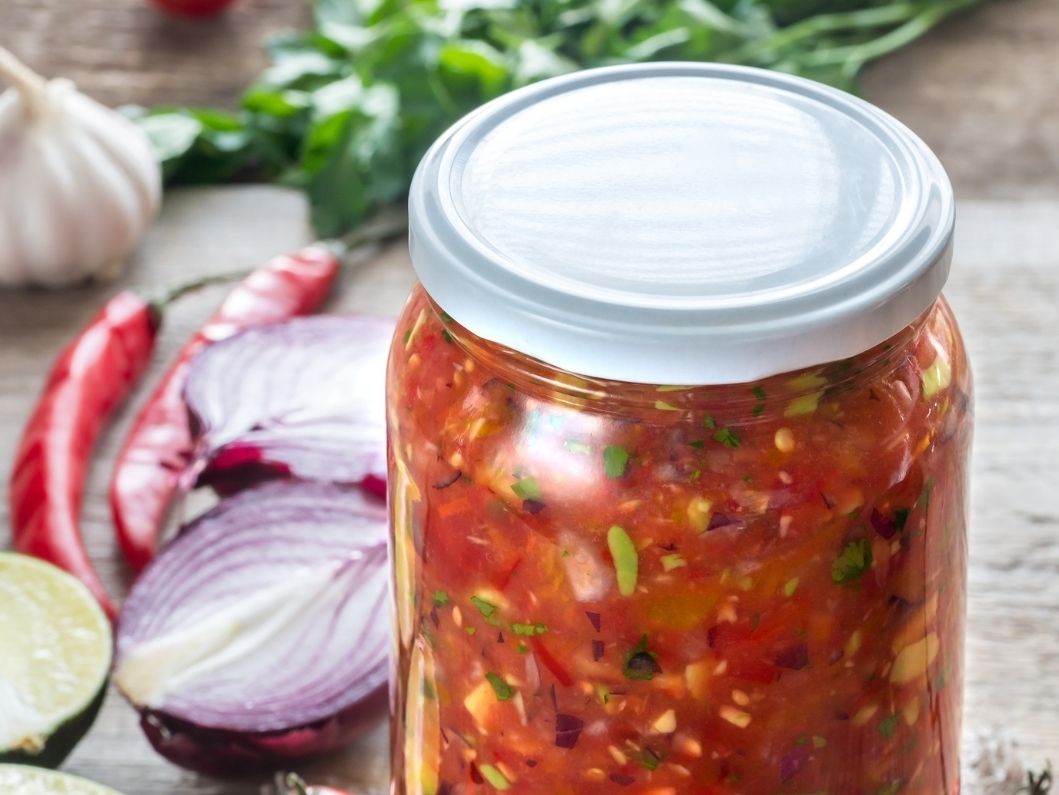
1. Fresh Salsa:
- Chunky: Ingredients are coarsely chopped, providing a robust texture that is perfect for scooping with chips. This formulation is ideal for those who enjoy a more substantial bite.
- Smooth: Ingredients are finely blended to achieve a smoother consistency, making it suitable for drizzling over dishes or as a more refined dip.
2. Cooked Salsa:
- Roasted: Ingredients are roasted before blending, imparting a deeper, smoky flavor. This method enhances the natural sweetness of the ingredients and adds a rich, caramelized taste.
- Simmered: Ingredients are simmered together to meld the flavors, resulting in a more uniform and cohesive dip. This technique is often used for Salsa Roja and other cooked salsas.
3. Fermented Salsa:
- Probiotic-Rich: Utilizes fermentation techniques to develop complex flavors and enhance nutritional content. Fermented salsas promote gut health due to their probiotic properties.
4. Spicy Salsa:
- Mild to Hot: Available in varying heat levels to cater to different spice tolerances. From mild jalapeño salsas to fiery habanero blends, there’s a spice level for everyone.
5. Organic and Natural Salsa:
- Non-GMO: Made with non-genetically modified ingredients for a natural, health-conscious choice. These salsas appeal to consumers looking for clean and sustainable options.
- Preservative-Free: Focuses on natural preservation methods to maintain freshness without artificial additives. These salsas often have a shorter shelf life but offer a pure and fresh taste.
-
03 Nutritional Benefits and Uses:
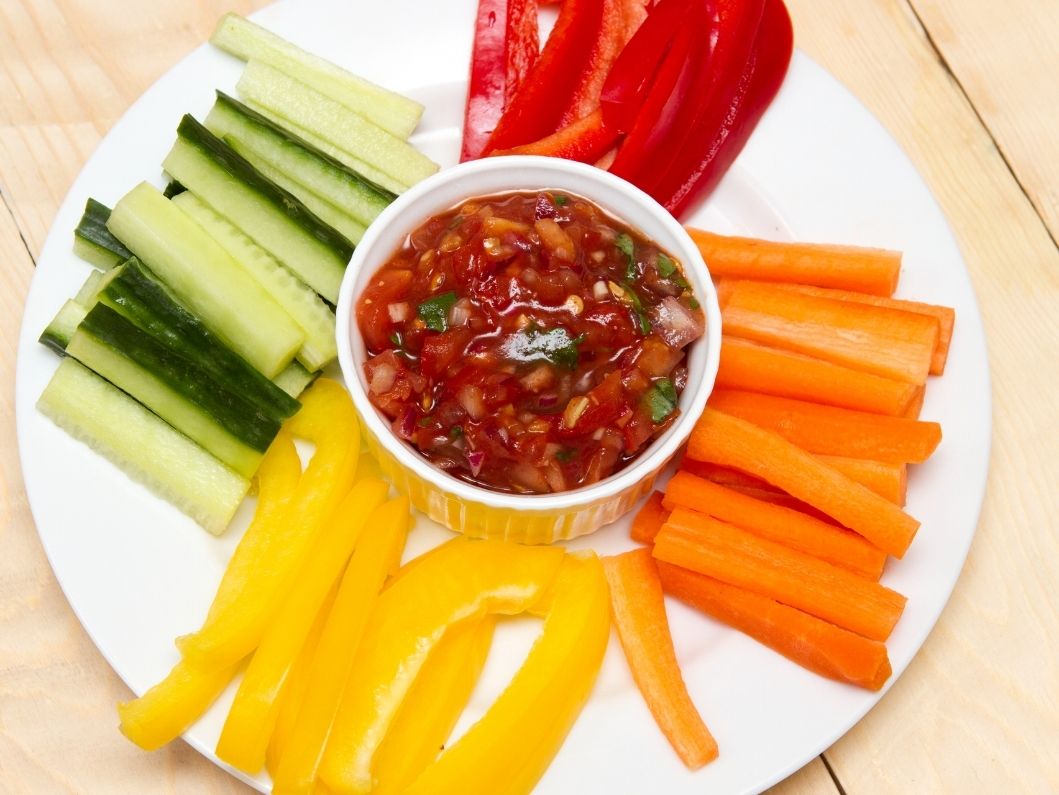
- Nutrient-Rich: Salsas are often packed with vitamins A and C, potassium, and antioxidants from ingredients like tomatoes, peppers, and fruits. These nutrients contribute to overall health and wellness.
- Low-Calorie: Most salsas are low in calories, making them a healthy addition to meals and snacks without adding excessive calories.
- Diet-Friendly: Salsas are typically gluten-free, dairy-free, and can be made vegan, fitting into a variety of dietary preferences and restrictions.
- Versatile: Salsa dips can be used as a dip for chips, a topping for tacos, burritos, and enchiladas, a condiment for grilled meats and seafood, or even a flavorful addition to salads and rice bowls.



2000+
Manufacturers


