

Your Puffed Grains. Your Recipe. The Right Contract Manufacturer.
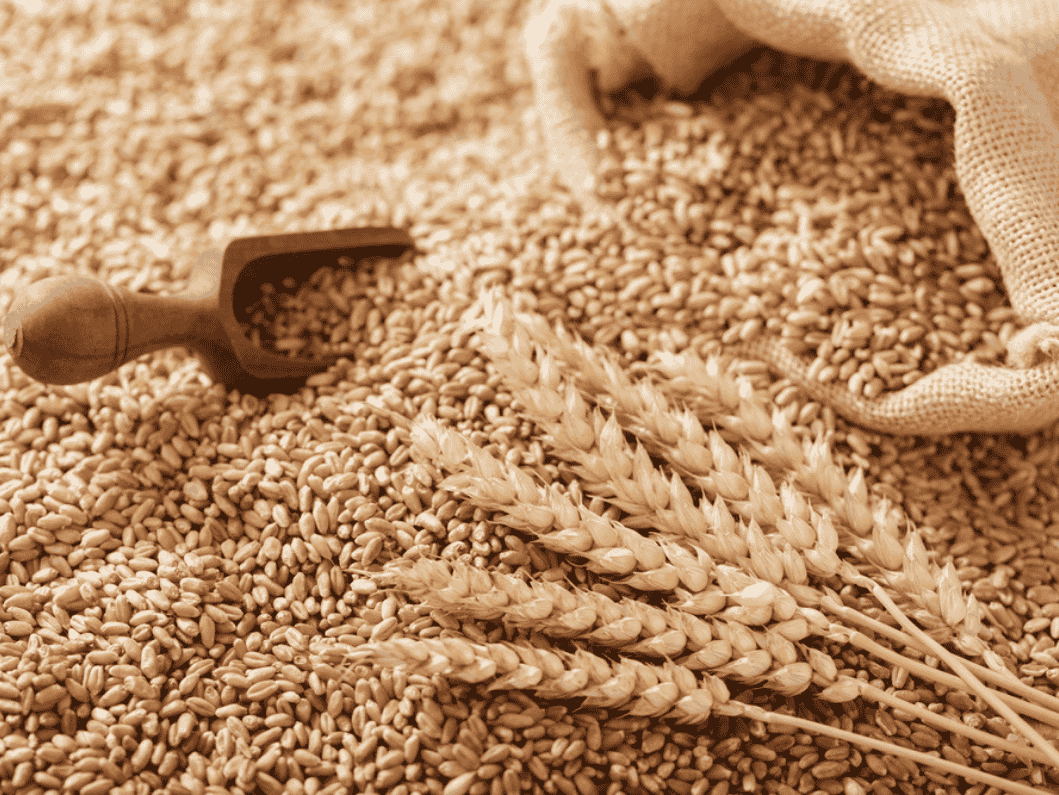
Traditional grains are whole grains that have been consumed for centuries and remain an essential part of many diets worldwide. Known for their rich nutrient profiles, these grains are staples in various culinary traditions and offer numerous health benefits. They are packed with essential vitamins, minerals, fiber, and antioxidants, contributing to overall wellness and disease prevention. Traditional grains are versatile and can be used in a multitude of dishes, making them a valuable addition to both everyday meals and gourmet cuisine.
Traditional grains have been a staple in diets around the world for centuries, celebrated for their rich nutritional profiles and diverse culinary applications. These grains, including varieties such as quinoa, spelt, amaranth, and millet, offer a wholesome alternative to modern processed foods, supporting a balanced and healthy lifestyle.
-
01 Types of Traditional Grains:
- Quinoa: A complete protein source, quinoa is gluten-free and provides essential amino acids, fiber, magnesium, and iron. It has a mild, nutty flavor and can be used in salads, soups, and as a side dish.
- Amaranth: Another gluten-free grain, amaranth is high in protein and contains all nine essential amino acids. It’s rich in fiber, calcium, iron, and magnesium. Amaranth can be used in porridge, baked goods, and as a thickener for soups and stews.
- Millet: Millet is a highly digestible, gluten-free grain rich in magnesium, phosphorus, and antioxidants. It has a mild flavor and can be used in porridges, salads, and as a rice substitute.
- Sorghum: This grain is gluten-free and high in protein, fiber, and antioxidants. Sorghum can be used in various forms, such as whole grain, flour, or syrup, and is suitable for baking, brewing, and as a cereal.
- Buckwheat: Despite its name, buckwheat is gluten-free and is packed with protein, fiber, and various antioxidants. It’s commonly used in pancakes, noodles, and porridge.
-
02 Formulations of Traditional Grains:
- Whole Grains: These are unprocessed grains that retain all their natural components, including the bran, germ, and endosperm. They provide the highest nutritional value and can be cooked as a side dish, added to salads, or used in soups and stews.
- Flours: Traditional grains can be milled into flours, which are used in baking bread, pastries, and other baked goods. These flours can be used alone or blended with other flours to improve texture and flavor.
- Puffed Grains: Through a process of high heat and pressure, traditional grains can be puffed to create light, airy snacks. Puffed grains are excellent for making healthy breakfast cereals, snack bars, and granolas.
- Flakes: Grains like quinoa, amaranth, and millet can be rolled into flakes, similar to oatmeal. These flakes are ideal for making porridge, muesli, and as a topping for yogurt and salads.
- Pearled Grains: The outer husk of some grains, such as barley, can be removed, and the grain can be polished to create a pearled version. These grains cook faster and are used in soups, salads, and risottos.
- Cracked Grains: Cracking grains like wheat and millet involves breaking them into smaller pieces, which reduces cooking time and adds texture to dishes like pilafs and porridge.
-
03 Uses of Traditional Grains:
- Breakfast: Traditional grains can be used to make hearty breakfast dishes such as porridge, granola, and breakfast bowls.
- Baking: Flours made from traditional grains are used in baking bread, muffins, cookies, and cakes, providing a nutritious alternative to refined flours.
- Side Dishes: Whole or cracked grains can be cooked and served as a side dish, similar to rice or couscous, complementing a variety of main courses.
- Salads: Cooked grains like quinoa and millet are excellent additions to salads, adding texture, flavor, and nutritional value.
- Soups and Stews: Traditional grains can be added to soups and stews to enhance their heartiness and nutritional content.
- Snacks: Puffed and flaked grains are used to make healthy snacks like energy bars, granola, and puffed grain snacks.



2000+
Manufacturers


