

Trading Ingredients
“Ancient grains” refer to a group of grains and pseudocereals that have been minimally changed by selective breeding over the millennia, unlike more widespread cereals like corn, rice, and modern varieties of wheat, which have been extensively cultivated and modified to meet various agricultural needs. These grains have been a staple in diets around the world for thousands of years, valued for their nutritional benefits as well as their diverse flavors and textures. Common ancient grains include:
- Quinoa: Originally from the Andean region in South America, quinoa is not a grain in the botanical sense but a pseudocereal, closely related to spinach and beets. It’s known for its high protein content and all nine essential amino acids.
- Amaranth: Another pseudocereal, amaranth was a staple food of the Aztecs and is known for its rich mineral content, including iron, magnesium, and phosphorus.
- Spelt: An ancient variety of wheat that was widely cultivated in the Middle East and Europe. It is noted for its nutty flavor and high fiber content.
- Teff: Native to Ethiopia, teff is a tiny grain used to make injera, a traditional Ethiopian flatbread. It’s high in calcium, protein, and fiber.
- Farro (Emmer, Einkorn, and Spelt): These are ancient species of wheat found in the Fertile Crescent and have been a food staple in the region for thousands of years. They are used in various dishes, from salads to soups.
- Sorghum: Originated in Africa and is now cultivated worldwide. It’s drought-resistant and used in foods, beverages, and animal feed.
- Millet: Cultivated in Asia and Africa for thousands of years, millet is used in porridges, breads, and cereals.
-
01 Origins and Traditional Uses
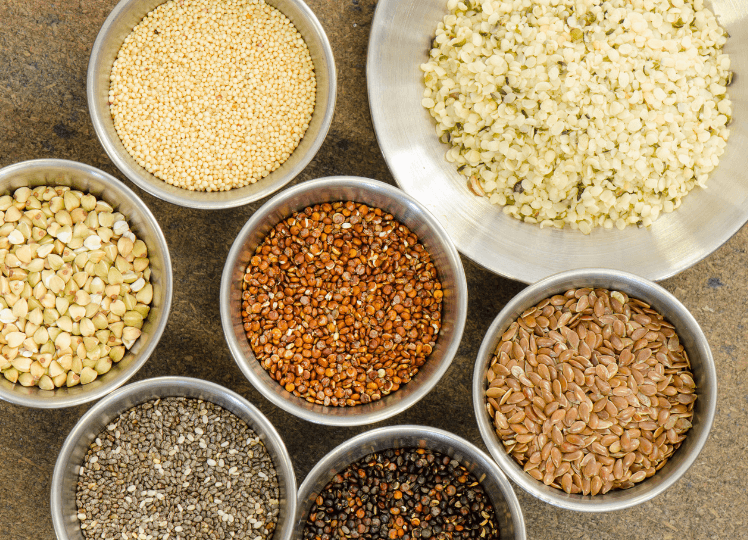
The origins of ancient grains vary widely, spanning different continents and cultures. For example, quinoa has been cultivated in the Andean region for around 5,000 years. These grains were integral to the diets of ancient civilizations due to their adaptability to different environments, nutritional values, and versatility in cooking. Traditional uses of ancient grains were primarily as staple foods, ground into flour for bread, cooked whole in soups and stews, or toasted and added to salads. Injera, made from teff, and amaranth used by the Aztecs for religious rituals and food, are examples of traditional uses that continue to this day.
-
02 Modern Uses in Foods
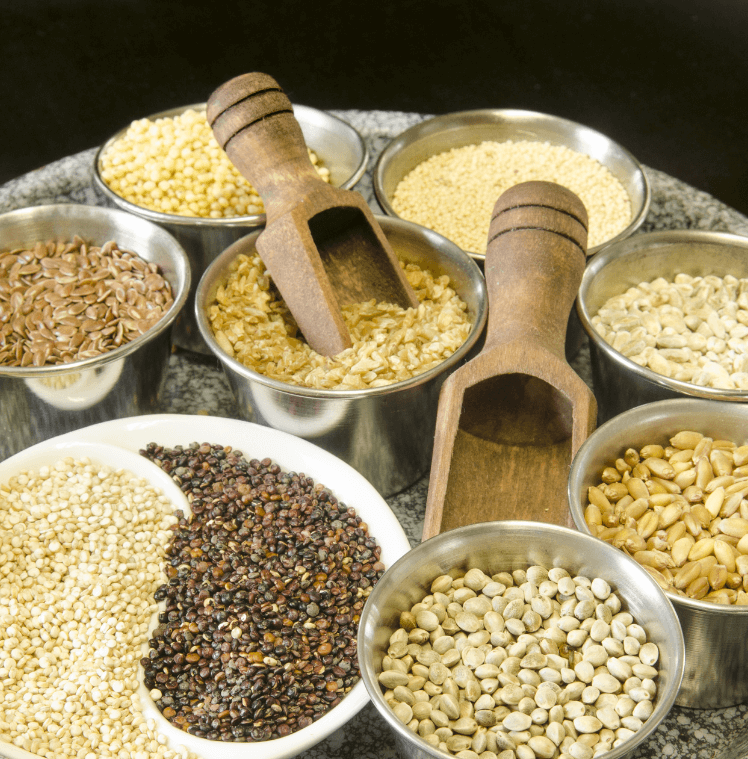
Today, ancient grains are experiencing a resurgence in popularity, driven by consumer interest in nutritional benefits, gluten-free diets, and organic and non-GMO foods. They are used in a wide variety of products, including:
- Breads and baked goods: Using flours made from ancient grains for their unique flavors and nutritional profiles.
- Salads and side dishes: Whole grains like farro, quinoa, and sorghum add texture and nutrients.
- Breakfast cereals and bars: Millet, amaranth, and teff are often found in health-focused cereals and snack bars.
- Gluten-free products: Grains like quinoa and amaranth are naturally gluten-free, making them popular alternatives for those with gluten sensitivities or celiac disease.
Additionally, chefs and home cooks alike are exploring ancient grains in contemporary recipes, blending traditional uses with modern culinary techniques to create innovative dishes. This renewed interest not only promotes dietary diversity but also supports sustainable agriculture practices, as many ancient grains are adapted to grow in harsh conditions with minimal inputs.


Current Regulatory Environment
The regulatory environment for ancient grains varies by country and typically falls under the general food safety and labeling laws applicable to grains and agricultural products. In the United States, the Food and Drug Administration (FDA) oversees the safety and labeling of ancient grains as part of its broader mandate over food products. In the European Union, ancient grains are regulated under the Common Agricultural Policy (CAP) and specific regulations that apply to organic farming and labeling.
There has been an increasing focus on the nutritional labeling of ancient grains, with some countries requiring specific labeling for genetically modified organisms (GMOs) or organic certification. However, since ancient grains are often non-GMO and grown using traditional methods, they frequently meet organic and non-GMO standards naturally.
DISCLAIMER: This information is provided on an as-is basis for general background. Independent, verified research should be conducted on all ingredients in food, supplements, and consumer products.

2000+
Manufacturers


