

Trading Ingredients
Ashwagandha (Withania somnifera), also known as Indian ginseng or winter cherry, is a plant in the nightshade family that has been used for over 3,000 years in Ayurvedic medicine, a traditional system of medicine practiced in India. The name “ashwagandha” comes from Sanskrit, meaning “the smell of a horse,” which refers to its unique smell and the belief that it imparts the strength and vigor of a stallion. The plant is native to India and North Africa and is characterized by its small, green flowers and red fruit, though it is the roots that are most commonly used in herbal remedies.
-
01 Origins and Traditional Uses
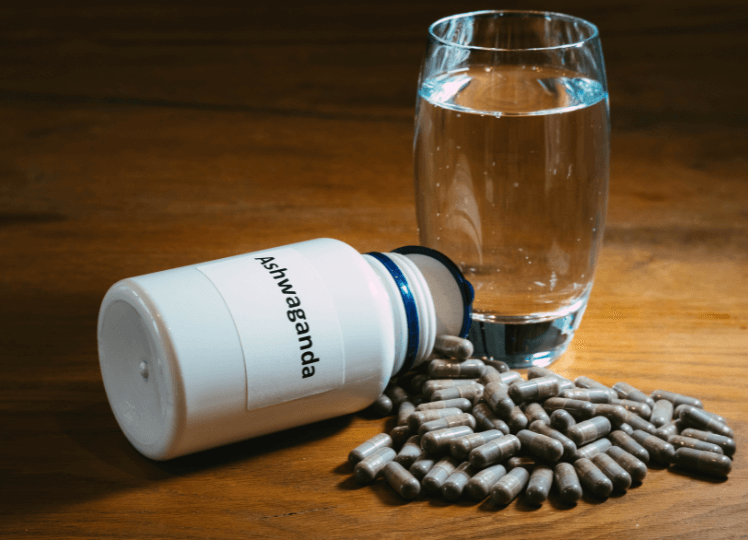
Ashwagandha has a rich history of use in Ayurvedic medicine for its restorative and rejuvenating benefits. Traditionally, it has been used to:
- Boost energy levels and improve concentration
- Reduce stress and anxiety
- Combat effects of aging
- Improve strength and vitality
- Treat various health conditions, including insomnia, arthritis, constipation, and skin conditions
Its applications in traditional medicine have been diverse, ranging from oral consumption as a powder made from the root, mixed into teas or honey, to topical application in ointments, oils, and pastes for treating local ailments.
-
02 Modern Uses in Foods

Today, ashwagandha is widely used beyond its traditional medicinal origins, finding its way into a variety of food and beverage products as a health supplement. Modern uses include:
- Dietary supplements: Available in capsule, tablet, and powder forms, often marketed for stress relief, energy, and overall wellness.
- Functional foods and beverages: Incorporated into health bars, teas, energy drinks, and smoothies for its supposed adaptogenic (stress-resistance) properties.
- Nutritional powders: Added to protein powders and meal replacements targeting wellness-oriented consumers.
Its popularity in the wellness and nutritional supplements market is partly due to growing interest in natural and plant-based products, as well as increasing consumer awareness of adaptogens — substances that are claimed to help the body resist stressors of all kinds, whether physical, chemical, or biological.Despite its widespread use and historical significance, it’s important for consumers to approach ashwagandha with the same caution as any supplement. Effectiveness and safety can vary, and it’s advisable to consult healthcare professionals before starting any new supplement regimen, especially for those with existing health conditions or who are pregnant or breastfeeding.


Current Regulatory Environment
The regulatory environment for ashwagandha and other herbal supplements varies by country, largely due to differences in how supplements are classified and regulated. In the United States, ashwagandha is regulated as a dietary supplement by the Food and Drug Administration (FDA) under the Dietary Supplement Health and Education Act (DSHEA) of 1994. This means that while producers of ashwagandha supplements are responsible for ensuring the safety and labeling of their products, they do not need FDA approval before marketing them. However, claims about the benefits of ashwagandha must not be misleading, and the FDA can take action against any unsafe or mislabeled products.
In the European Union, the regulatory environment is somewhat stricter, with herbal products falling under the Traditional Herbal Medicinal Products Directive, which requires evidence of safety and efficacy for registration.
DISCLAIMER: This information is provided on an as-is basis for general background. Independent, verified research should be conducted on all ingredients in food, supplements, and consumer products.

2000+
Manufacturers


