

Trading Ingredients
Bakuchiol, a popular ingredient in many consumer products often produced by contract manufacturers, is a natural compound that has gained popularity in the skincare industry as an alternative to retinol. It is extracted from the seeds and leaves of the Psoralea corylifolia plant, commonly known as the babchi plant, which is native to India and Sri Lanka. Bakuchiol has been used in traditional Chinese and Indian Ayurvedic medicine for centuries, primarily for its purported healing properties.
-
01 Origins
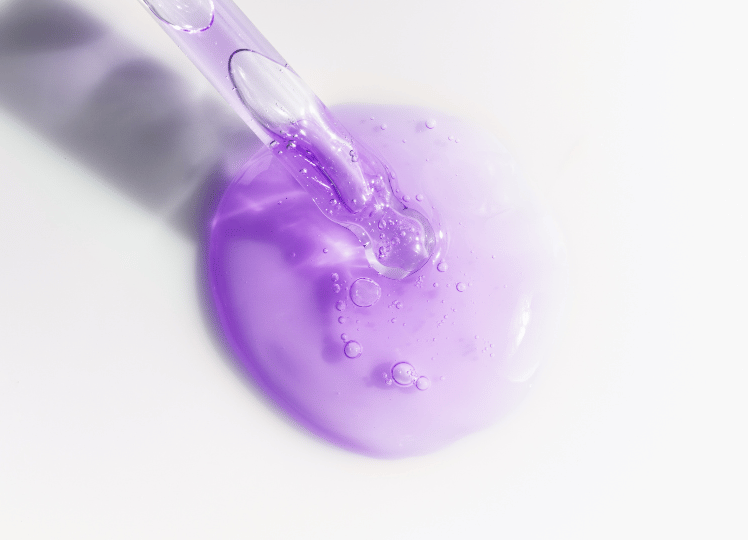
The use of bakuchiol and the babchi plant dates back to ancient times, where it was utilized for a variety of purposes in traditional medicine
-
02 Traditional Uses

- Skin disorders: It was applied to treat various skin diseases, including vitiligo, leucoderma, and psoriasis.
- Anti-inflammatory: Bakuchiol was used for its anti-inflammatory properties to treat different conditions, including cuts, wounds, and inflammation.
- Antibacterial and antifungal: Traditional uses also include its application as an antibacterial and antifungal agent.
-
03 Modern Uses in Consumer Products
Today, bakuchiol is most commonly found in skincare products, where it is celebrated for its retinol-like effects without the associated irritation that retinol can cause for some users. Its uses in modern consumer products include:
- Anti-aging products: Bakuchiol is marketed as a gentler alternative to retinol, promising to reduce the appearance of fine lines and wrinkles, improve skin elasticity, and support overall skin health.
- Acne treatments: Its antibacterial properties make it a suitable ingredient for combating acne.
- Skin brighteners: Products containing bakuchiol are also used to even out skin tone and texture, as well as to reduce the appearance of dark spots.
The appeal of bakuchiol lies in its combination of traditional use and modern scientific backing, which suggests it can offer some of the benefits of retinol without its downsides, making it suitable for sensitive skin and those who are pregnant or nursing, subject to advice from a healthcare provider.Given the growing consumer interest in natural and plant-based ingredients, bakuchiol’s popularity in skincare and cosmetic products is likely to continue. Manufacturers are increasingly incorporating bakuchiol into their formulations to meet the demand for effective, natural alternatives to synthetic ingredients.


Current Regulatory Environment
The regulatory environment for bakuchiol is less stringent than for many synthetic compounds, largely because it is considered a natural ingredient. However, the specific regulations can vary by country and region, depending on how the product containing bakuchiol is categorized (e.g., as a cosmetic or a therapeutic good). In general, cosmetics are subject to less regulatory oversight than pharmaceuticals, but manufacturers must still ensure their products are safe for consumer use and accurately labeled.
In the United States, for example, the FDA regulates cosmetics under the Federal Food, Drug, and Cosmetic Act, which requires that products are safe and properly labeled, but does not require FDA approval before they go to market. The situation is similar in the European Union, where cosmetics are regulated to ensure safety and efficacy, with a specific emphasis on not misleading consumers.
DISCLAIMER: This information is provided on an as-is basis for general background. Independent, verified research should be conducted on all ingredients in food, supplements, and consumer products.

2000+
Manufacturers


