

Trading Ingredients
Cayenne pepper is a type of Capsicum annuum. It is a hot chili pepper used to flavor dishes, and is also known for its medicinal properties. The pepper is named after the city of Cayenne in French Guiana and is used worldwide to add heat and depth to dishes.
-
01 Origins and Traditional Uses
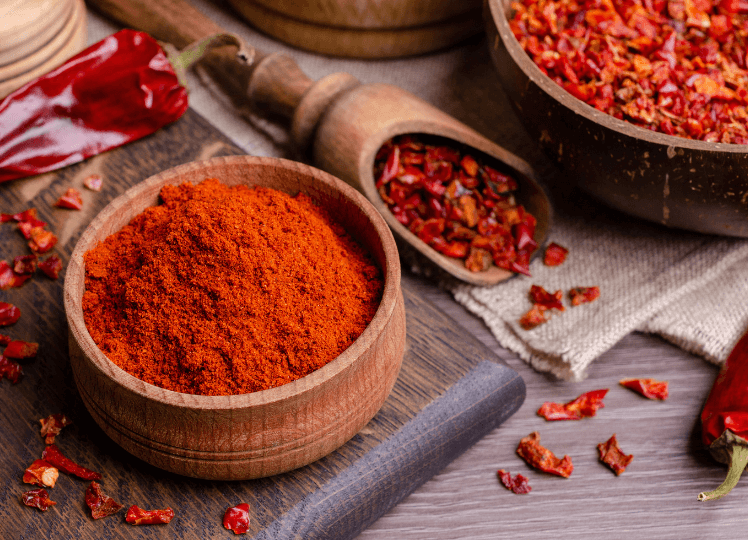
Cayenne peppers are believed to have originated in South America. Over centuries, they have spread across the globe, thanks to their use in food, medicine, and as a natural preservative. Traditionally, cayenne peppers have been used for:
- Culinary purposes: As a spice in cooking to add heat and flavor to dishes. It’s a staple in many cuisines, including Mexican, Cajun, and various Asian cultures.
- Medicinal uses: Historically, cayenne has been used for treating a variety of health issues, including digestion problems, muscle pain, joint pain, and as a circulatory stimulant. It’s believed to have anti-inflammatory and analgesic properties.
- Preservative: Due to its antimicrobial properties, cayenne pepper has been used to preserve food.
-
02 Modern Uses in Foods
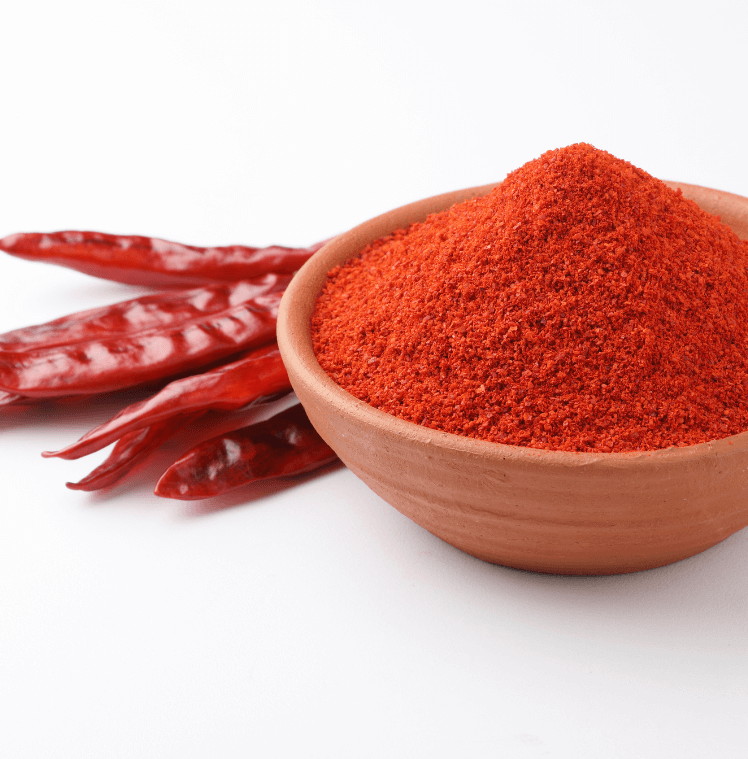
Today, cayenne pepper is widely used in a variety of culinary applications:
- Spice: It is used ground into a powder or as whole dried peppers to spice up dishes, sauces, and seasonings.
- Health supplements: Cayenne is available in capsules, extracts, and creams for its supposed health benefits, including boosting metabolism, reducing hunger, and pain relief.
- Culinary arts: Beyond traditional uses, cayenne pepper is also employed in modern cuisine for its ability to add complexity and heat to dishes, from chocolates and desserts to cocktails.
Cayenne pepper’s versatility makes it a popular ingredient in kitchens and food products worldwide. Its heat level, measured in Scoville units, can vary significantly, allowing for its use in both mildly spicy and intensely hot dishes. The growing interest in global cuisines and spicy foods has further cemented cayenne pepper’s place in modern culinary traditions.


Current Regulatory Environment
As a food ingredient, cayenne pepper is regulated by food safety authorities in various countries. In the United States, the Food and Drug Administration (FDA) oversees its use in foods, ensuring it is safe for consumption. Similar regulatory bodies exist in other countries, such as the European Food Safety Authority (EFSA) in the European Union, which regulate the use of spices, including cayenne pepper, in food products.
When it comes to supplements, cayenne pepper is also subject to regulation. In the US, supplements containing cayenne pepper are regulated by the FDA but are subject to less stringent requirements than pharmaceuticals. They must not contain contaminants or impurities, and they must be properly labeled regarding their ingredients and health claims.
DISCLAIMER: This information is provided on an as-is basis for general background. Independent, verified research should be conducted on all ingredients in food, supplements, and consumer products.

2000+
Manufacturers


