

Trading Ingredients
Chaga mushrooms (Inonotus obliquus) are a type of fungus that primarily grows on the bark of birch trees in cold climates, such as Northern Europe, Siberia, Russia, Korea, Northern Canada, and Alaska. Unlike typical mushroom shapes, chaga produces a woody growth, or conk, which looks more like a clump of burnt charcoal than a traditional mushroom due to the melanin content in its outer layer. The inside of the chaga mushroom is a rich orange color.
-
01 Origins and Traditional Uses
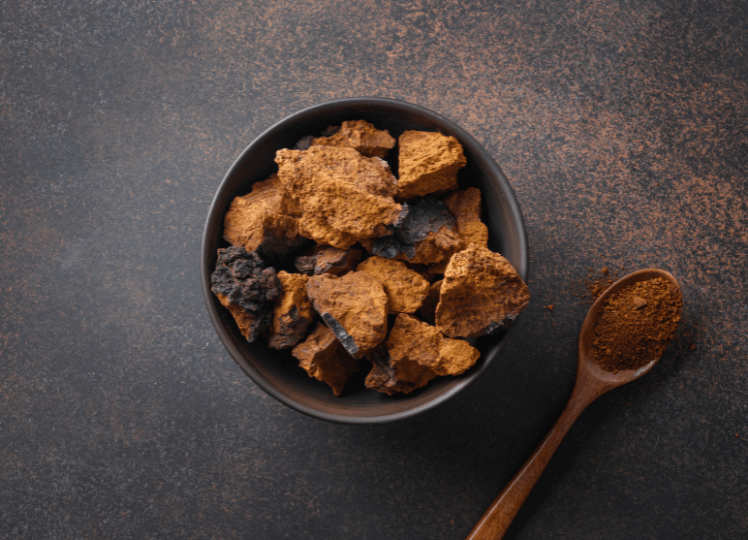
Chaga has been used for centuries in Siberia and other parts of Asia as a traditional medicine to boost immunity and overall health. It was ground into a fine powder and brewed as an herbal tea. Traditional uses also include treatment for stomach diseases, intestinal worms, liver and heart ailments, and cancers. In traditional Chinese medicine, chaga is used for balancing energy and improving the health of the lungs and liver.
-
02 Modern Uses in Foods
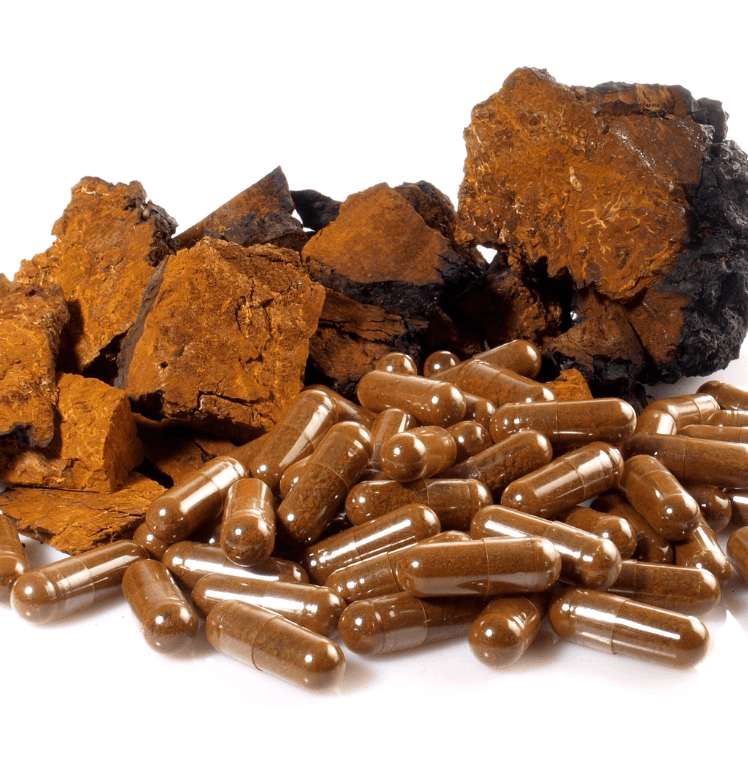
Today, chaga is used in a variety of ways beyond traditional tea:
- Dietary Supplements: Available in capsule, powder, or extract form, often marketed for boosting the immune system, reducing inflammation, and as an antioxidant.
- Coffees and Teas: Chaga is added to coffees and teas not only for its health benefits but also for its unique flavor, which is somewhat similar to vanilla or earthy tea.
- Functional Foods and Beverages: Some companies incorporate chaga into smoothies, chocolate, and health bars for its supposed health benefits.
- Skin Care Products: Due to its antioxidant properties, chaga is also used in creams, serums, and other skincare formulations.
Despite its popularity, scientific research on chaga’s health benefits is still in the early stages. Preliminary studies suggest it has potent immune-boosting and antioxidant properties, but more research is needed to fully understand its effects and potential uses in medicine and food products. Consumers interested in using chaga should consult with healthcare providers to ensure it’s appropriate for their health needs and doesn’t interact with any medications they’re taking.


Current Regulatory Environment
In the United States and many other countries, chaga mushrooms are classified as a dietary supplement. The Food and Drug Administration (FDA) in the U.S. does not approve dietary supplements for safety and efficacy before they are marketed. However, manufacturers are responsible for ensuring that their products are safe and that any claims made about them are substantiated by adequate evidence. Similarly, in the European Union, dietary supplements are regulated but not as strictly as pharmaceutical products, with a focus on safety and labeling rather than efficacy.
The regulatory environment emphasizes the importance of sourcing chaga from reputable suppliers to ensure that the product is free from contaminants and that it is harvested sustainably, as overharvesting can damage birch trees and lead to a decline in chaga populations.
DISCLAIMER: This information is provided on an as-is basis for general background. Independent, verified research should be conducted on all ingredients in food, supplements, and consumer products.
2000+
Manufacturers


