

Trading Ingredients
Coconut flour is a soft flour produced from dried coconut meat. When coconut milk is extracted from the coconut meat, the leftover coconut meat is dried at a low temperature and ground into a fine powder, resulting in coconut flour. This flour is naturally gluten-free, high in fiber, and low in carbohydrates, making it a popular alternative to traditional wheat flours and other grain-based flours.
-
01 Origins and Traditional Uses
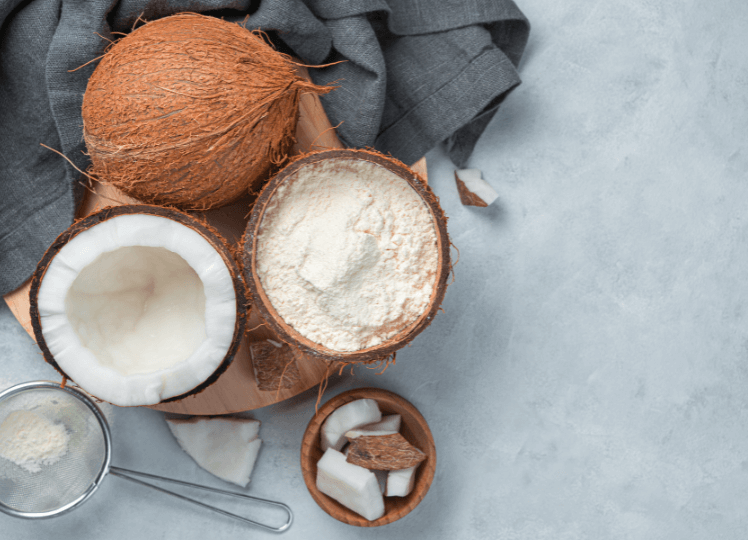
The use of coconuts dates back thousands of years and spans many cultures, particularly those in tropical regions where coconut palms are native, such as Southeast Asia, the Pacific Islands, and parts of Africa and South America. Traditionally, coconut has been utilized in a myriad of ways: the water as a drink, the meat as food, the oil for cooking and as a beauty product, and the shells for utensils and tools.Coconut flour itself, while not as historically prevalent as other parts of the coconut, has been used in traditional dishes where it serves as a thickening agent or a base for batters. Its use was more common in regions where coconuts were abundant, and other types of flour were less accessible.
-
02 Modern Uses in Foods
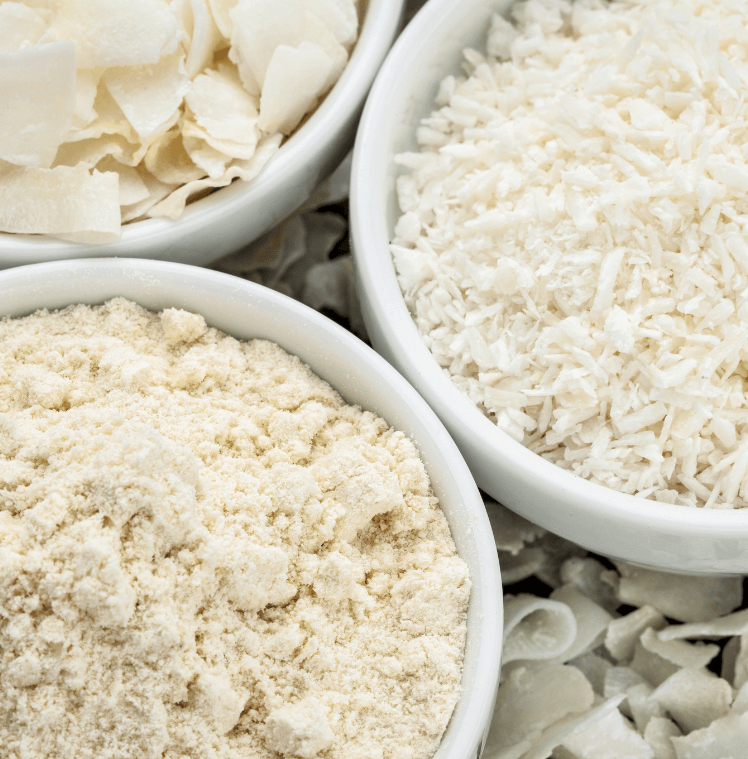
Today, coconut flour is highly regarded in health food circles due to its nutritional profile and suitability for various dietary needs. It is used in a wide range of culinary applications, including:
- Baking: Coconut flour is a popular ingredient for baking cakes, bread, muffins, and cookies, especially for those following gluten-free, paleo, or low-carbohydrate diets.
- Thickening Agent: Its high fiber content makes it a good thickening agent for soups, sauces, and gravies without the need for cornstarch or wheat flour.
- Coating: It can be used as a coating for chicken, fish, or other proteins as a gluten-free alternative to breadcrumbs.
- Smoothies and Beverages: Added to smoothies for fiber, texture, and flavor.
- Health Foods: Incorporated into protein bars, pancakes, and breakfast cereals for its health benefits.
Despite its benefits, using coconut flour can be challenging due to its high absorbency. It requires more liquid than other flours, and recipes often need to be adjusted specifically for its use. As the popularity of gluten-free and low-carb diets continues to rise, coconut flour’s prominence in the culinary world is likely to grow, offering a nutritious and versatile alternative for modern cooking and baking needs.


Current Regulatory Environment
As a food product, coconut flour is subject to the food safety and regulatory standards set by the country in which it is sold. In the United States, the Food and Drug Administration (FDA) oversees the safety of food products, including coconut flour. This involves ensuring that the flour is processed in a manner that makes it safe for consumption, free from harmful contaminants, and accurately labeled in terms of its nutritional content and allergen information.
Similarly, in the European Union, food safety regulations apply to coconut flour, overseen by the European Food Safety Authority (EFSA). These regulations ensure that coconut flour, like other food products, meets strict safety standards before reaching consumers.
DISCLAIMER: This information is provided on an as-is basis for general background. Independent, verified research should be conducted on all ingredients in food, supplements, and consumer products.

2000+
Manufacturers


