

Trading Ingredients
Cruciferous vegetables belong to the Brassicaceae or Cruciferae family, which includes a wide range of vegetables known for their health benefits and distinctive taste. Common examples include broccoli, cauliflower, Brussels sprouts, kale, cabbage, and bok choy. The name “cruciferous” comes from the Latin word “crucifer,” meaning “cross-bearing,” due to the shape of their flowers, whose four petals resemble a cross.
-
01 Origins and Traditional Uses
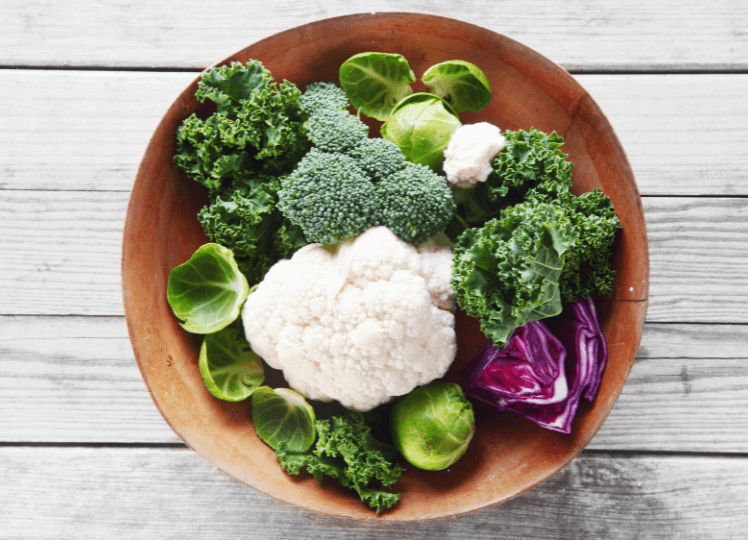
The cultivation of cruciferous vegetables dates back centuries, with their origins spread across Europe, Asia, and the Mediterranean region. These vegetables have been integral to diets around the world due to their nutritional value and versatility in cooking. Traditional uses vary by culture and vegetable type:
- Europe: Cabbage and kale have been staples in European diets for thousands of years, used in dishes like sauerkraut in Germany and colcannon in Ireland.
- Asia: Bok choy and napa cabbage are commonly used in Asian cuisine, featured in stir-fries, soups, and fermented dishes such as kimchi.
- Mediterranean: The ancient Romans and Greeks valued cruciferous vegetables for their health benefits and included them in a variety of dishes.
-
02 Modern Uses in Foods
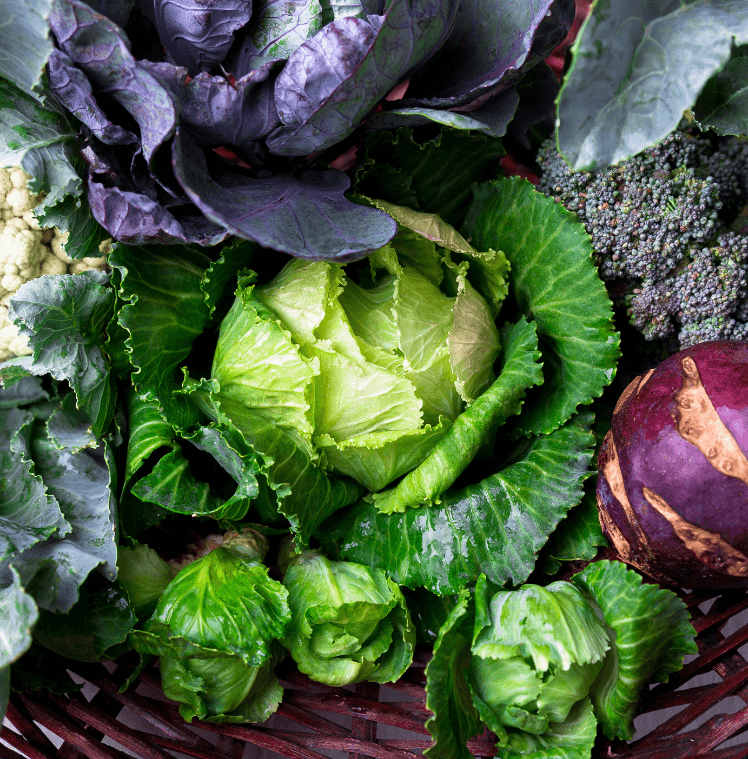
Today, cruciferous vegetables are celebrated for their nutritional content, including high levels of vitamins C and K, fiber, and compounds believed to have anti-cancer properties, such as glucosinolates. Their modern uses in foods include:
- Raw Consumption: In salads and as crudité, benefiting from their crisp texture and fresh taste.
- Cooked Dishes: Steamed, boiled, roasted, or stir-fried, cruciferous vegetables are versatile in a range of culinary applications from side dishes to main courses.
- Health Foods: Juiced or included in smoothies for their nutritional benefits, and in health-focused meals, like grain bowls and vegetarian dishes.
- Fermented Foods: Particularly cabbage, which is fermented to make sauerkraut and kimchi, traditional foods known for their probiotic qualities.
The popularity of cruciferous vegetables continues to grow, driven by a greater awareness of their health benefits and their role in a balanced diet. Whether included in traditional dishes or innovative culinary creations, these vegetables are a key component of healthy eating patterns around the world.


Current Regulatory Environment
As with other food products, the regulatory environment for cruciferous vegetables is primarily concerned with ensuring food safety and proper labeling. In the United States, the Food and Drug Administration (FDA) regulates the safety of fruits and vegetables, including cruciferous varieties, under its broader mandate to protect public health. This includes monitoring for pesticide residues, contaminants, and enforcing standards for fresh and processed foods.
In the European Union, the European Food Safety Authority (EFSA) plays a similar role, overseeing food safety standards for vegetables and implementing regulations regarding pesticide use, food contaminants, and genetically modified organisms (GMOs), if applicable.
Globally, various national and international bodies work to ensure that agricultural practices related to the cultivation and distribution of cruciferous vegetables meet health and safety standards, including the Codex Alimentarius, a collection of internationally recognized standards, guidelines, and codes of practice relating to food safety and quality.
DISCLAIMER: This information is provided on an as-is basis for general background. Independent, verified research should be conducted on all ingredients in food, supplements, and consumer products.

2000+
Manufacturers


