

Trading Ingredients
Curcumin is the principal curcuminoid of turmeric (Curcuma longa), a member of the ginger family, Zingiberaceae. It is the compound that gives turmeric its distinctive yellow color and is used extensively as a spice, food coloring, and herbal remedy. Curcumin has been utilized for thousands of years in Ayurvedic, Chinese, and Middle Eastern traditional medicine for its anti-inflammatory, antioxidant, and healing properties.
-
01 Origins and Traditional Uses
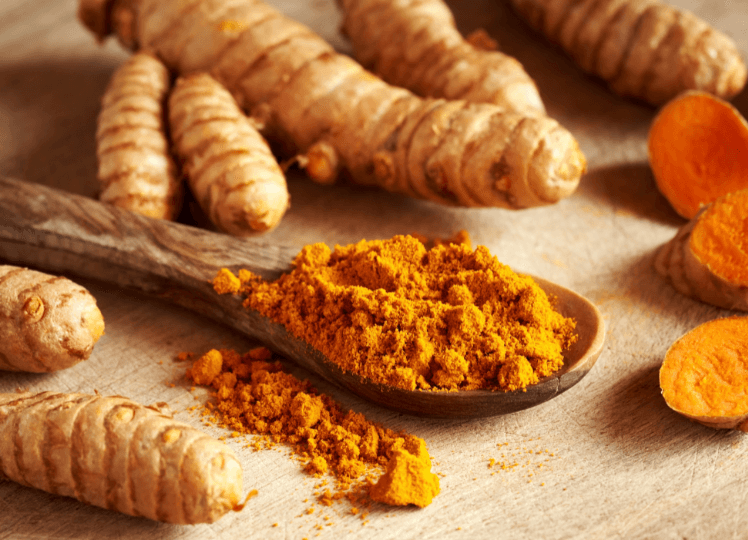
Turmeric, and consequently curcumin, originates from Southeast Asia and the Indian subcontinent. It has been used traditionally in several ways:As a spice: Turmeric is a key ingredient in many culinary traditions, especially in South Asia, Southeast Asia, and the Middle East, giving dishes a distinctive color and flavor.As a dye: Due to its vibrant color, turmeric has been used to dye fabric.In traditional medicine: Turmeric has been used for its supposed therapeutic properties to treat a variety of conditions, including pain, inflammation, skin diseases, and digestive issues.
-
02 Modern Uses in Foods
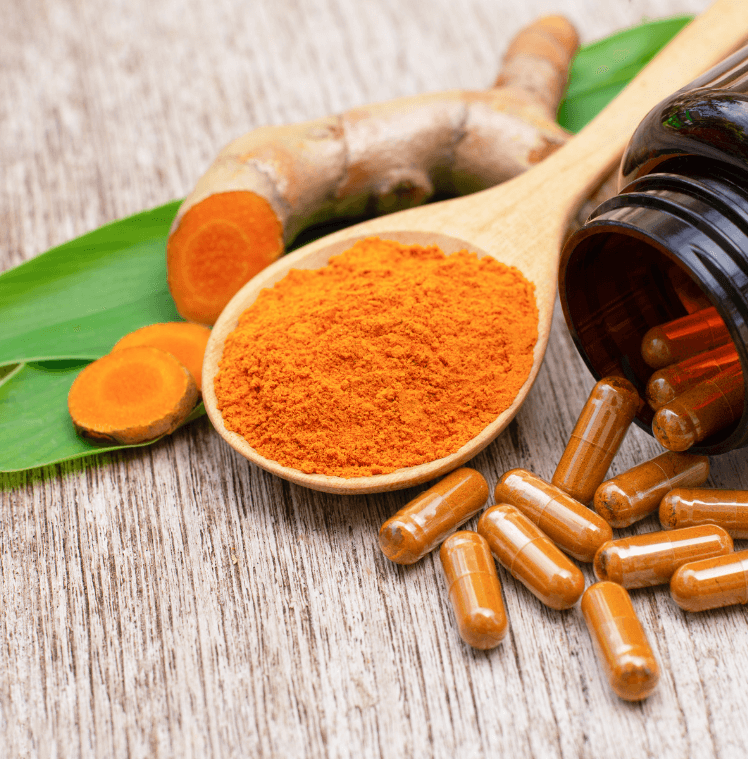
Today, curcumin is used in a wide variety of food products and dietary supplements:
- Culinary uses: Beyond its traditional role as a spice in curries and other dishes, curcumin is used to color and flavor a wide range of food products, including mustards, butters, and cheeses.
- Health and wellness products: Curcumin is a popular dietary supplement, available in capsules, tablets, and powders. It is marketed for various health benefits, including supporting joint health, reducing inflammation, and promoting overall wellness.
- Functional foods and beverages: There is a growing trend of incorporating curcumin into functional foods and drinks, such as turmeric lattes (“golden milk”), health bars, and smoothies, capitalizing on its health-promoting properties.
Despite the widespread use of curcumin and its long history, scientific research into its health benefits is ongoing. While some studies suggest potential benefits, especially for inflammation and pain, the bioavailability of curcumin is relatively low, and more research is needed to fully understand its efficacy and optimal dosage. Consumers interested in curcumin supplements for health purposes should consult healthcare professionals to ensure they are taken safely and effectively.


Current Regulatory Environment
The regulatory environment for curcumin varies by country, primarily depending on its intended use (e.g., as a food ingredient, dietary supplement, or medicinal product).
As a food ingredient: In the United States, the Food and Drug Administration (FDA) recognizes turmeric, which contains curcumin, as “Generally Recognized as Safe” (GRAS) when used as a spice, coloring, or flavoring in food. Similar recognition is found in other jurisdictions, including the European Union, where it is approved as a food additive (E100).
As a dietary supplement: Curcumin supplements are regulated more loosely than pharmaceutical drugs but must adhere to specific labeling and quality regulations. In the U.S., the FDA oversees these supplements to ensure they are safe and that their labels are accurate and not misleading.
As a medicinal product: Any claims that curcumin can prevent, treat, or cure diseases are subject to stringent regulation and require scientific evidence to support them. In many countries, products making health claims must be approved as medicines.
DISCLAIMER: This information is provided on an as-is basis for general background. Independent, verified research should be conducted on all ingredients in food, supplements, and consumer products.

2000+
Manufacturers


