

Trading Ingredients
Garlic (Allium sativum) is a widely used flavoring agent and food product, as well as a medicinal plant, known for its characteristic taste, smell, and health benefits. It belongs to the Allium family, which also includes onions, leeks, and shallots.
-
01 Origins and Traditional Uses
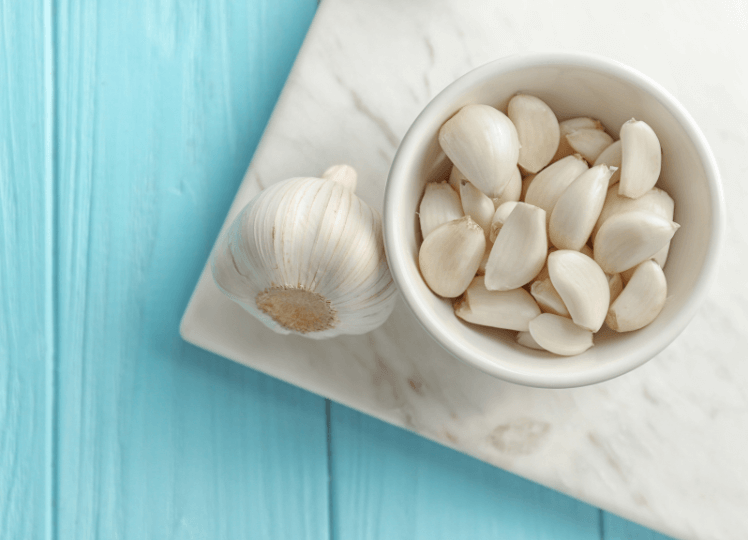
Garlic has been cultivated for thousands of years, with origins believed to be in Central Asia, South Asia, or southwestern Siberia. It has a long history of use in various ancient civilizations, including the Egyptians, Babylonians, Greeks, Romans, and Chinese, for both culinary and medicinal purposes. Traditional uses of garlic have been incredibly diverse, ranging from enhancing the flavor of dishes to treating a multitude of ailments such as infections, respiratory problems, and digestive issues.Ancient Egyptians used garlic for its therapeutic properties and as a strength enhancer for laborers building the pyramids. In ancient Greece, Hippocrates, often called the father of Western medicine, prescribed garlic for a variety of conditions. Garlic was also used to ward off evil spirits and was believed to have protective qualities.
-
02 Modern Uses in Foods
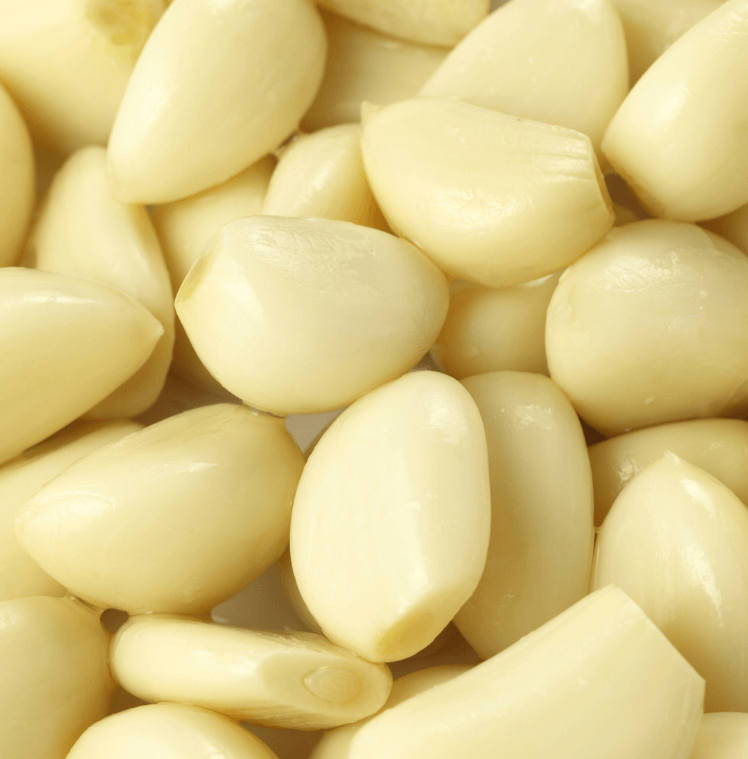
Garlic remains a staple ingredient in cuisines worldwide due to its unique flavor profile and health benefits. It is used in a myriad of ways in contemporary culinary practices:
- Culinary uses: Garlic is used fresh, powdered, or as garlic oil in cooking to flavor dishes across almost every cuisine, from Italian, Chinese, and Indian to American and Middle Eastern.
- Health and wellness products: Garlic supplements are available in various forms, including pills, capsules, and extracts, marketed for their potential health benefits, such as improving heart health, lowering cholesterol levels, and boosting the immune system.
- Functional foods: Some products are fortified with garlic or garlic extracts to enhance their health benefits, including spreads, sauces, and dressings.
Garlic’s popularity also extends to its nutritional and medicinal properties. It contains vitamins and minerals, such as vitamin C, selenium, and manganese, and bioactive compounds like allicin, which are believed to contribute to its health benefits, including antimicrobial and antioxidant effects.Despite its widespread use and numerous health claims, consumers are encouraged to consult health professionals before using garlic as a remedy for health conditions, especially when taking other medications, due to potential interactions. Garlic continues to be celebrated not only for its culinary versatility but also for its role in health and wellness practices around the world.


Current Regulatory Environment
Today, garlic is regulated like any other food product by food safety authorities in various countries:
In the United States, the Food and Drug Administration (FDA) oversees garlic production, processing, and labeling under its general food safety regulations. Garlic supplements are regulated as dietary supplements, where manufacturers are responsible for ensuring their products are safe and label claims are accurate but do not require FDA approval before marketing.
In the European Union, the European Food Safety Authority (EFSA) assesses the safety and labeling of garlic-containing food products and supplements, ensuring they meet EU standards.
Globally, the Codex Alimentarius, developed by the Food and Agriculture Organization (FAO) and the World Health Organization (WHO), provides guidelines and standards to ensure food safety and quality, including for garlic and garlic products.
DISCLAIMER: This information is provided on an as-is basis for general background. Independent, verified research should be conducted on all ingredients in food, supplements, and consumer products.

2000+
Manufacturers


