

Trading Ingredients
Glycolic acid is an alpha hydroxy acid (AHA) derived from sugar cane, making it a natural ingredient, although it can also be synthetically produced. It is the smallest molecule in the group of AHAs, which allows it to penetrate the skin easily. This characteristic makes glycolic acid a highly effective exfoliating agent, used to remove the outermost layer of dead cells from the complexion, revealing brighter, fresher skin.
-
01 Origins and Traditional Uses
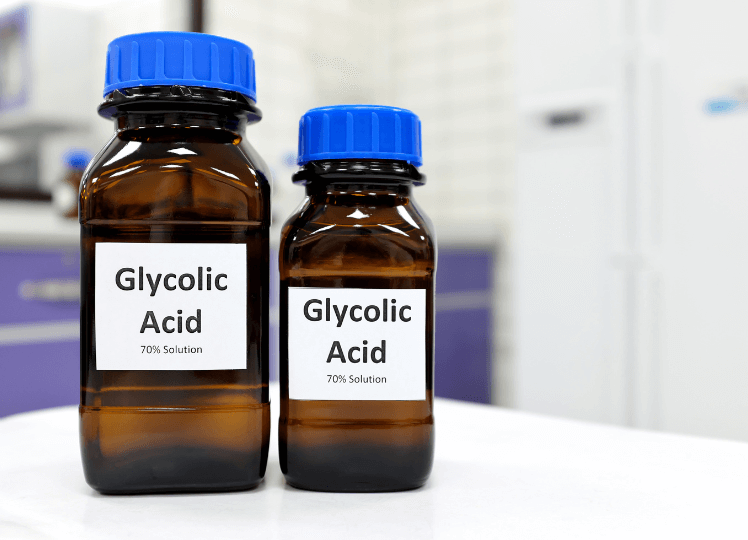
The use of glycolic acid for skin treatment does not have “traditional uses” in the historical or ancient sense, as its utilization in skincare is relatively modern. However, the use of naturally occurring AHAs in skincare has a longer history. For centuries, various cultures have used naturally acidic substances, such as sour milk (lactic acid), fruit acids, and vinegars for skin care and beauty purposes, including exfoliation and skin brightening.
-
02 Modern Uses in Consumer Products
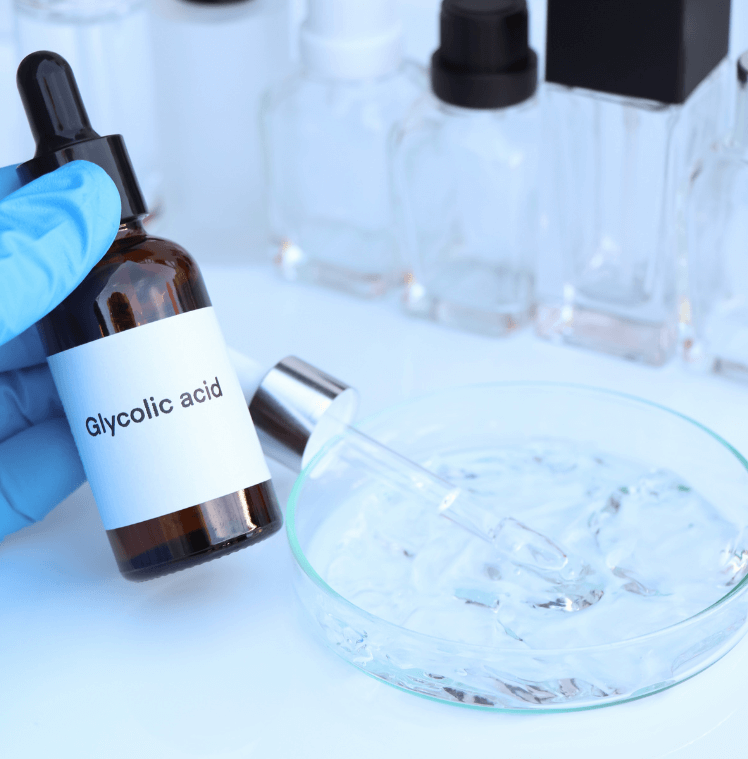
Today, glycolic acid is widely used in skincare and cosmetic products for its exfoliating and skin-renewing properties. Its applications include:
- Exfoliants and Peels: Glycolic acid is a key ingredient in both over-the-counter and professional chemical peels, exfoliating lotions, and toners designed to remove dead skin cells, improve skin texture, and reduce the appearance of fine lines and wrinkles.
- Acne Treatments: Due to its ability to penetrate deeply into pores, glycolic acid is effective in acne treatment products, helping to unclog pores and reduce the appearance of acne scars.
- Anti-aging Products: Its ability to stimulate collagen production makes it a popular ingredient in anti-aging creams and serums.
- Brightening Products: Glycolic acid helps to fade hyperpigmentation, sun spots, and discoloration, resulting in a more even skin tone.
While glycolic acid is generally safe for use in skincare, it can cause irritation, especially in higher concentrations or in individuals with sensitive skin. Sun sensitivity can increase with the use of AHAs, so it’s recommended to use sunscreen to protect treated skin from UV damage. Consumers are advised to follow product instructions carefully and consider consulting with a dermatologist to determine the best concentration and product type for their skin condition and type.


Current Regulatory Environment
In the cosmetics and skincare industry, glycolic acid, like other chemical exfoliants, is regulated to ensure safety and efficacy. The regulatory environment varies by country:
United States: The Food and Drug Administration (FDA) regulates glycolic acid as a cosmetic ingredient. While the FDA does not approve cosmetics, it does regulate their safety and labeling. The concentration of glycolic acid in over-the-counter products is generally limited to 10% for exfoliation products, and a pH of no less than 3.5 is recommended to minimize skin irritation. Professional peeling products used by dermatologists can have higher concentrations.
European Union: The European Union has similar regulations, overseen by the European Chemicals Agency (ECHA) and the European Commission. Cosmetic products, including those containing glycolic acid, must comply with the EU Cosmetic Regulation, which requires safety assessment and proper labeling.
DISCLAIMER: This information is provided on an as-is basis for general background. Independent, verified research should be conducted on all ingredients in food, supplements, and consumer products.

2000+
Manufacturers


