

Trading Ingredients
Gotu Kola, scientifically known as Centella asiatica, is a perennial herbaceous plant that grows in wetland areas of Asia, South Africa, and parts of the southeastern US. It has been widely used in the traditional medicine systems of these regions, such as Ayurveda, traditional Chinese medicine, and in African folk medicine, for centuries. Its use spans a broad range of applications, from wound healing to mental clarity.
-
01 Origins and Traditional Uses
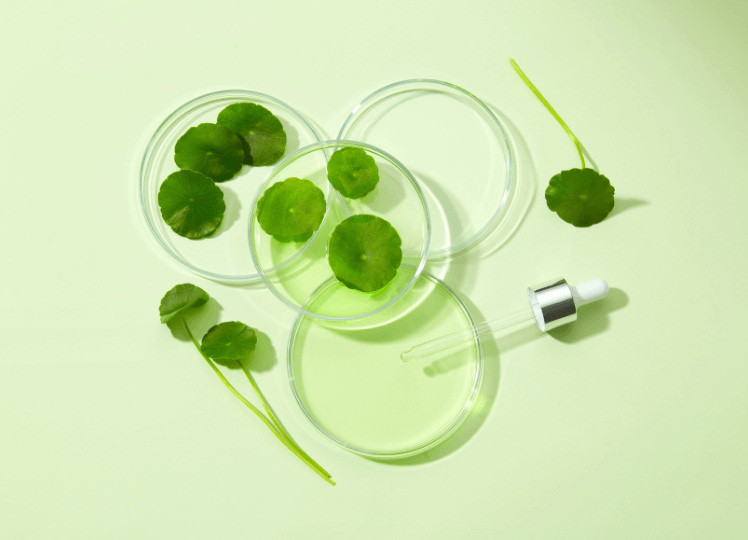
The origins of Gotu Kola’s use are deeply rooted in the ancient medicinal practices of the East. In these traditional contexts, Gotu Kola has been utilized for a variety of purposes:
- Wound Healing: It has been applied topically to heal wounds, burns, and skin lesions due to its supposed anti-inflammatory and healing properties.
- Improving Mental Function: Gotu Kola has been consumed to enhance memory, increase focus, and reduce mental fatigue.
- Treating Skin Conditions: Its use extends to treating skin conditions such as psoriasis, leprosy, and varicose ulcers.
- Reducing Anxiety and Stress: It has been used to promote relaxation and alleviate mental stress.
- General Health and Longevity: Gotu Kola has been regarded as a “fountain of life” herb, believed to improve longevity.
-
02 Modern Uses in Consumer Products
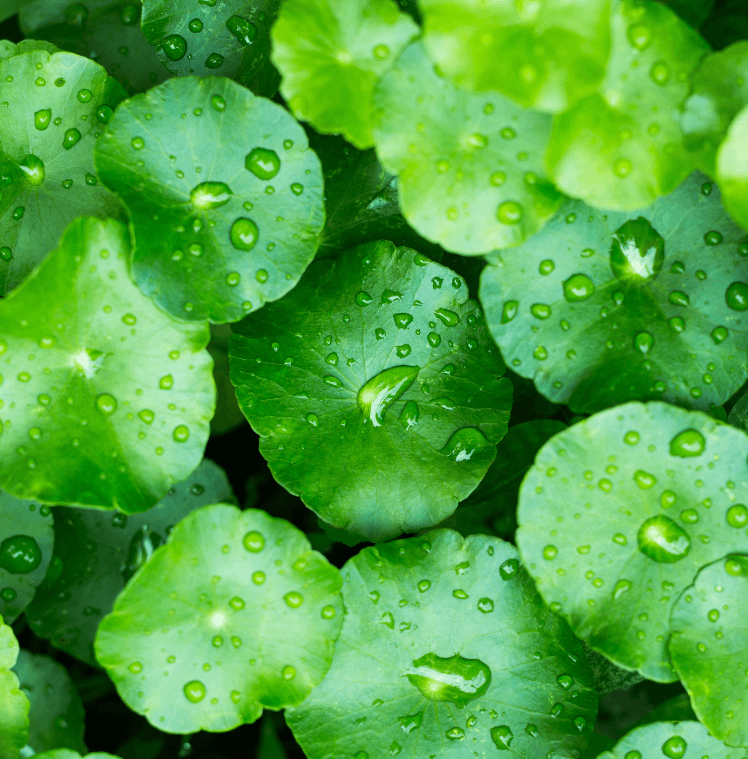
Today, Gotu Kola is included in a wide variety of consumer products, reflecting its historical use as well as contemporary interest in its benefits. These products include:
- Dietary Supplements: It is commonly found in formulations aimed at improving cognitive function, reducing anxiety, enhancing skin health, and supporting wound healing.
- Skincare Products: Due to its reputed anti-inflammatory and healing properties, Gotu Kola is an ingredient in creams, serums, and ointments designed to promote skin health, reduce the appearance of scars and stretch marks, and provide anti-aging benefits.
- Teas and Beverages: Gotu Kola tea is marketed for its potential benefits in reducing stress and improving mental clarity.
- Topical Applications for Wound Healing: Some products are specifically designed for external use to aid in the healing of minor wounds and skin irritations.
The use of Gotu Kola in these products taps into the growing trend towards natural and holistic health and wellness solutions. Despite its long history of use in traditional medicine, consumers should approach Gotu Kola products with an informed perspective, particularly given the variability in the concentration of active compounds in different products and the lack of rigorous regulatory oversight in some markets. As with any supplement, it’s advisable to consult with a healthcare provider before beginning use, especially for individuals with underlying health conditions or those taking other medications.What is Melatonin, what are its origins and traditional uses, and what is the current regulatory environment for it? How is it used today in consumer products?


Current Regulatory Environment
In the United States, Gotu Kola is regulated as a dietary supplement under the Dietary Supplement Health and Education Act (DSHEA) of 1994 by the Food and Drug Administration (FDA). As with other dietary supplements, products containing Gotu Kola are not required to be approved by the FDA before they are marketed. However, manufacturers are responsible for ensuring that their products are safe and that any claims made about them are not misleading or unfounded.
The regulatory environment can vary significantly in other countries, with some having stricter rules for herbal supplements. For instance, in the European Union, herbal products are regulated more rigorously, requiring authorization and proof of safety and efficacy for medicinal claims.
DISCLAIMER: This information is provided on an as-is basis for general background. Independent, verified research should be conducted on all ingredients in food, supplements, and consumer products.

2000+
Manufacturers


