

Trading Ingredients
Hummus is a popular Middle Eastern and Mediterranean spread or dip made from cooked, mashed chickpeas blended with tahini (sesame seed paste), lemon juice, garlic, and olive oil. It has a rich, creamy texture and is often seasoned with various herbs and spices.
-
01 Origins and Traditional Uses
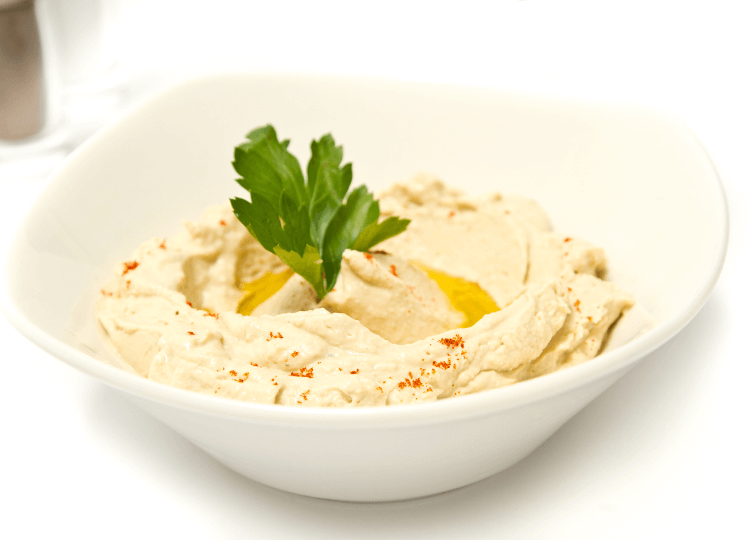
The origins of hummus are a subject of debate, with several countries in the Middle East claiming it as their own. Its history can be traced back to ancient times, and it has been a staple food in Middle Eastern and Mediterranean diets for centuries. Traditionally, hummus has been used as a dip with flatbread (such as pita), as part of mezze platters, or as a companion to falafel, grilled chicken, fish, or vegetables.
-
02 Modern Uses in Consumer Products
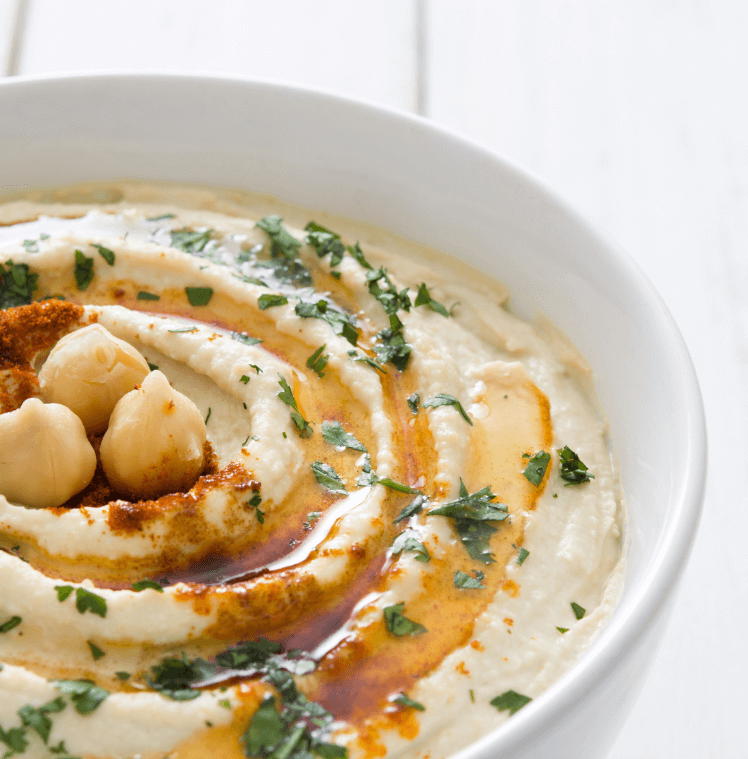
Today, hummus is widely available and has gained popularity worldwide as a healthy snack or meal component. Its uses in modern consumer products include:
- Flavored Varieties: Beyond the traditional recipe, many brands now offer hummus in a variety of flavors, such as roasted red pepper, garlic, jalapeño, and even sweet versions like chocolate hummus.
- Packaged Snacks: Hummus is often sold in convenient, ready-to-eat packages, sometimes paired with dipping options like pretzels or vegetable sticks.
- Culinary Ingredient: It is used as a spread in sandwiches and wraps, as a base for savory dishes, or as a healthy alternative to mayonnaise and other spreads.
- Nutritional Profile: Recognized for its health benefits, hummus is a good source of protein, fiber, and healthy fats, making it a favorite among health-conscious consumers and those following vegetarian or vegan diets.
The broad appeal of hummus lies in its versatility, nutritional value, and the growing interest in Middle Eastern and Mediterranean cuisines. Its presence in supermarkets and restaurants around the world underscores its transition from a traditional staple to a global food trend.


Current Regulatory Environment
In countries like the United States and those in the European Union, hummus is regulated as a food product. This means it must comply with food safety standards and labeling regulations set by governing bodies such as the U.S. Food and Drug Administration (FDA) or the European Food Safety Authority (EFSA). These regulations ensure that hummus sold in the market is safe to eat and that its ingredients are accurately listed on the packaging. There are no specific regulations unique to hummus; it is subject to the same rules as other food products regarding production, labeling, and safety.
DISCLAIMER: This information is provided on an as-is basis for general background. Independent, verified research should be conducted on all ingredients in food, supplements, and consumer products.

2000+
Manufacturers


