

Trading Ingredients
Jackfruit (Artocarpus heterophyllus) is the largest tree-borne fruit, known for its distinctive size, shape, and flavor. Native to the Western Ghats of India, it has been cultivated in other parts of Southeast Asia, Africa, and Brazil. Jackfruit is part of the Moraceae family, which also includes figs, mulberries, and breadfruit.
-
01 Origins and Traditional Uses
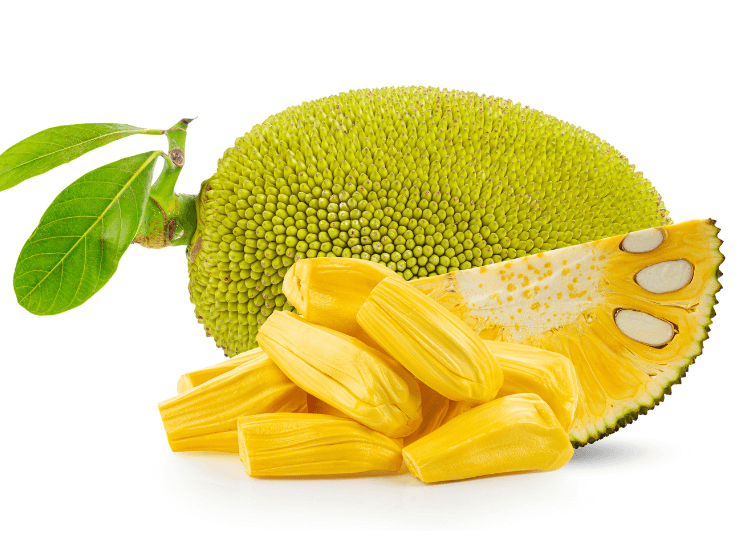
Jackfruit has been cultivated for thousands of years, with its origins in India, where it is still widely consumed and appreciated for its versatility in cooking and nutritional value. Traditionally, jackfruit has been used in a variety of culinary applications:Ripe jackfruit is eaten fresh or used in desserts due to its sweet taste.Unripe (young) jackfruit has a meat-like texture, making it a popular vegetarian substitute in curries, stir-fries, and other savory dishes.Seeds of jackfruit are edible too, often boiled or roasted and consumed as a snack or added to various dishes.Besides its culinary uses, parts of the jackfruit tree, such as the leaves and bark, have been used in traditional medicine to treat various ailments.
-
02 Modern Uses in Foods
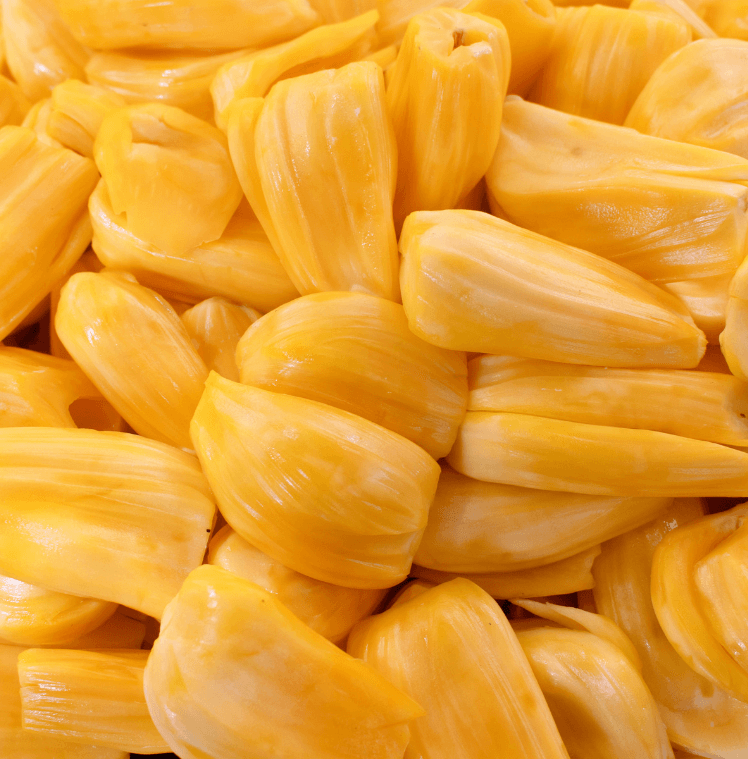
Today, jackfruit is gaining popularity worldwide, especially among vegetarians and vegans, for its meat-like texture when unripe, making it an excellent substitute for meat in various dishes. Modern uses of jackfruit include:Vegan and Vegetarian Cuisine: Young jackfruit is used as a plant-based alternative to pulled pork, chicken, and other meats in tacos, sandwiches, and curries.Packaged Foods: Due to its rising popularity, jackfruit is increasingly available in canned or packaged forms in supermarkets, often pre-seasoned or ready to cook.Health Foods: Jackfruit is rich in vitamins, minerals, and dietary fiber, making it a healthy addition to diets. It’s used in smoothies, fruit bowls, and as a natural sweetener in baked goods.The fruit’s versatility and nutritional profile have led to its inclusion in a wide range of culinary applications beyond traditional Asian cuisine, from gourmet dishes to everyday meals. As the global demand for plant-based foods continues to grow, jackfruit is well-positioned to become a staple in the diets of people looking for sustainable and healthy food options.


Current Regulatory Environment
As a food product, jackfruit is subject to the food safety and regulatory standards of the country in which it is sold:
In the United States, the Food and Drug Administration (FDA) oversees the safety of food products, including jackfruit, under its general food safety regulations. Jackfruit imported or sold in the U.S. must comply with these standards to ensure it is safe for consumption.
In the European Union, the European Food Safety Authority (EFSA) regulates the safety of food products, including tropical fruits like jackfruit, ensuring they meet EU standards for food safety and quality.
Globally, the Codex Alimentarius provides guidelines and standards to ensure food safety and quality, including for fruits like jackfruit.
DISCLAIMER: This information is provided on an as-is basis for general background. Independent, verified research should be conducted on all ingredients in food, supplements, and consumer products.

2000+
Manufacturers


