

Trading Ingredients
Mandelic acid is an alpha hydroxy acid (AHA) derived from the hydrolysis of an extract of bitter almonds. It is a larger molecule compared to other AHAs, which allows it to penetrate the skin more slowly and makes it less irritating. Its name is derived from the German word “Mandel,” meaning almond, reflecting its source.
-
01 Origins and Traditional Uses
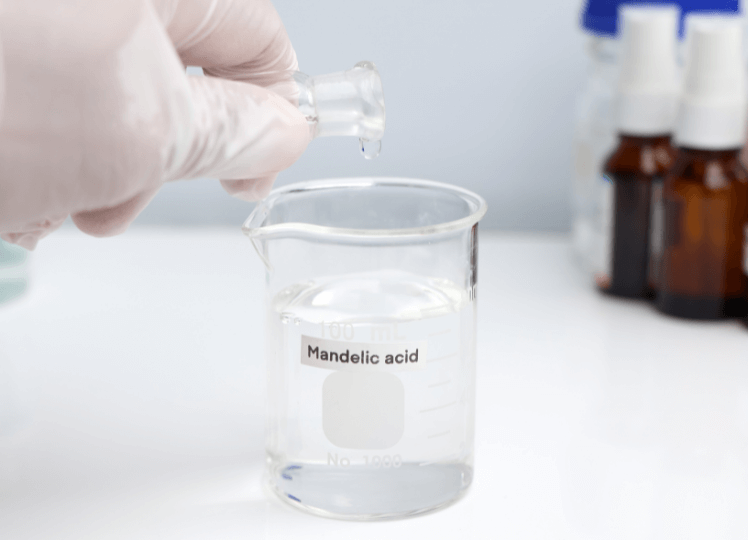
Historically, the properties of bitter almonds, from which mandelic acid is derived, have been recognized for their various potential health benefits. However, the explicit use of mandelic acid for its skin benefits is a more modern development. Traditionally, bitter almonds were used for their flavor and medicinal properties. The extraction and utilization of mandelic acid as a distinct chemical compound for therapeutic purposes, particularly in skincare, came into prominence with advancements in cosmetic chemistry and dermatology.
-
02 Use in Consumer Products
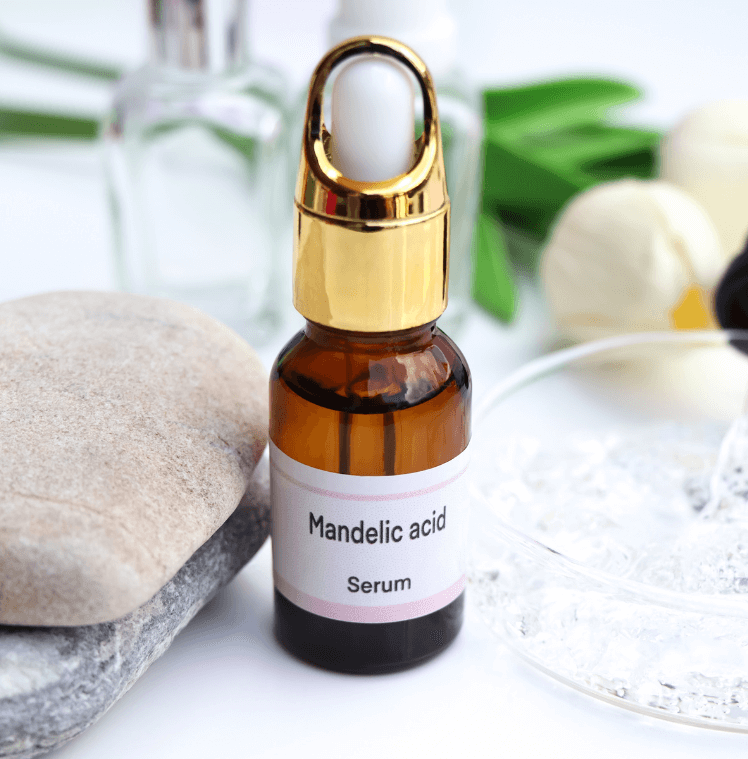
Today, mandelic acid is prominently used in a variety of consumer products, particularly in the skincare industry, owing to its exfoliating, anti-aging, and skin-brightening properties.
- Skincare Products: Mandelic acid is a popular ingredient in cleansers, serums, toners, and peels designed for exfoliation, improving skin texture, and treating acne-prone and hyperpigmented skin. Its slower penetration rate makes it suitable for sensitive skin types compared to other AHAs.
- Acne Treatments: Due to its antibacterial properties, mandelic acid is often used in products targeting acne. It helps to unclog pores and reduce inflammation, making it effective in managing acne breakouts.
- Anti-aging and Brightening Products: Mandelic acid promotes cell turnover, which can help to diminish the appearance of fine lines, wrinkles, and dark spots. This has led to its inclusion in anti-aging and skin-brightening formulations.
- Professional Chemical Peels: In professional skincare settings, mandelic acid is used in higher concentrations for chemical peels, offering benefits such as improved skin texture, tone, and a reduction in acne and pigmentation issues.
Mandelic acid’s use in consumer products has expanded significantly from its origins in bitter almonds to a valued ingredient in the skincare industry, supported by a regulatory framework that ensures product safety and efficacy.


Current Regulatory Environment
In the context of cosmetics and skincare products, mandelic acid is generally considered safe for use. Regulatory bodies such as the United States Food and Drug Administration (FDA) do not specifically regulate mandelic acid as an individual ingredient but rather oversee cosmetic products to ensure they are safe for consumer use under labeled or customary conditions. Similarly, the European Union’s cosmetic regulations allow the use of mandelic acid in cosmetic products, adhering to certain concentration guidelines to ensure safety.
In terms of its presence in over-the-counter (OTC) products, mandelic acid, like other AHAs, is subject to concentration and pH limitations to minimize potential skin irritation. The regulatory environment is designed to ensure that products containing mandelic acid are safe, effective, and not misleadingly marketed.
DISCLAIMER: This information is provided on an as-is basis for general background. Independent, verified research should be conducted on all ingredients in food, supplements, and consumer products.

2000+
Manufacturers


