

Trading Ingredients
Mango (Mangifera indica) is a tropical fruit known for its sweet taste and rich nutritional profile. It belongs to the Anacardiaceae family and is native to South Asia, with India being recognized as the fruit’s origin. Mangoes have been cultivated in the Indian subcontinent for thousands of years and have become one of the most widely grown fruits in the tropics.
-
01 Origins and Traditional Uses
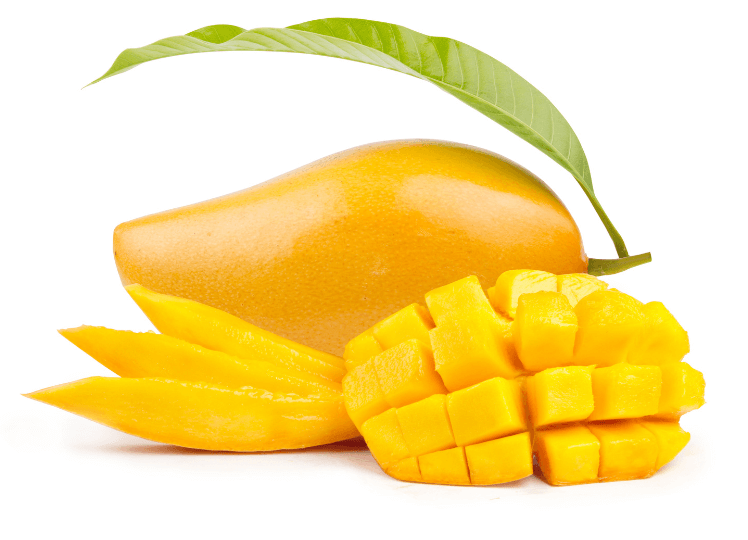
The cultivation of mangoes dates back over 4,000 years in India, where it is considered a sacred fruit and has been a part of religious ceremonies and traditions. It spread from India to Southeast Asia and West Africa by the 10th century and reached Brazil, the Caribbean, and Mexico by the 19th century with European colonization.Traditionally, mangoes have been used in a variety of ways:Culinary uses: Ripe mangoes are eaten fresh or used in a range of dishes, including desserts, smoothies, and salads. Unripe, green mangoes are used in pickles, chutneys, and as a flavoring agent in dishes for their tart taste.Medicinal uses: In traditional medicine, various parts of the mango tree, such as the bark, leaves, and fruit, have been used to treat a wide array of ailments, from digestive issues to skin conditions.
-
02 Modern Uses in Foods
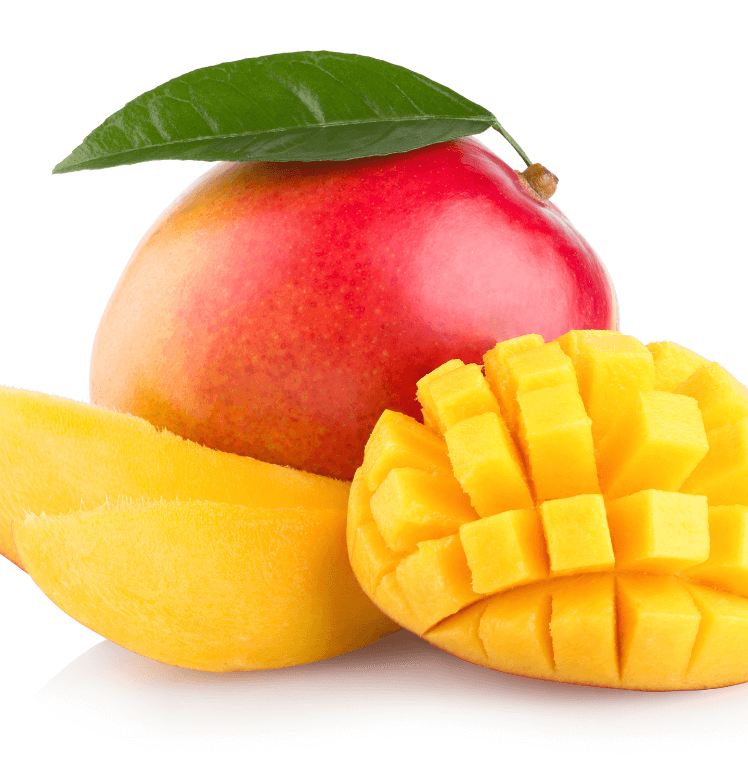
Today, mangoes are celebrated for their versatility in culinary applications and their nutritional benefits, being rich in vitamins A and C, fiber, and antioxidants. Modern uses of mangoes include:
- Fresh consumption: Mangoes are widely eaten fresh and are a popular ingredient in fruit salads, smoothies, and desserts.
- Processed products: Mangoes are processed into a variety of products, such as juices, nectars, jams, and dried fruit snacks.
- Culinary ingredients: Mangoes are used in a diverse array of dishes, from tropical salsas and sauces to sweet dishes like mango sticky rice and mango lassi.
- Health and wellness products: Due to their nutritional profile, mangoes are also incorporated into health food products and dietary supplements.
The global popularity of mangoes continues to grow, with the fruit being appreciated for both its delicious flavor and health benefits. As a result, mangoes are now a common sight in supermarkets and kitchens around the world, transcending their tropical origins to become a beloved fruit globally.


Current Regulatory Environment
As a globally traded food product, mangoes are subject to the regulatory standards and food safety requirements of the importing country:
In the United States, the Food and Drug Administration (FDA) regulates the import and sale of mangoes, ensuring they meet safety standards for pesticides, contaminants, and diseases.
In the European Union, the European Food Safety Authority (EFSA) sets standards for food safety, including pesticide residues and microbiological criteria for mangoes.
Globally, the Codex Alimentarius, developed by the Food and Agriculture Organization (FAO) and the World Health Organization (WHO), provides international food standards, guidelines, and codes of practice that include the safety and quality of mangoes.
DISCLAIMER: This information is provided on an as-is basis for general background. Independent, verified research should be conducted on all ingredients in food, supplements, and consumer products.

2000+
Manufacturers


