

Trading Ingredients
Mankai (Wolffia globosa) is a species of duckweed, often referred to as the world’s smallest vegetable. It is a tiny, aquatic plant that has been gaining attention for its nutritional profile, being rich in protein, iron, vitamin B12, antioxidants, and other beneficial compounds. Mankai is green in color and can be consumed whole, making it a unique and versatile ingredient in various culinary applications.
-
01 Origins and Traditional Uses
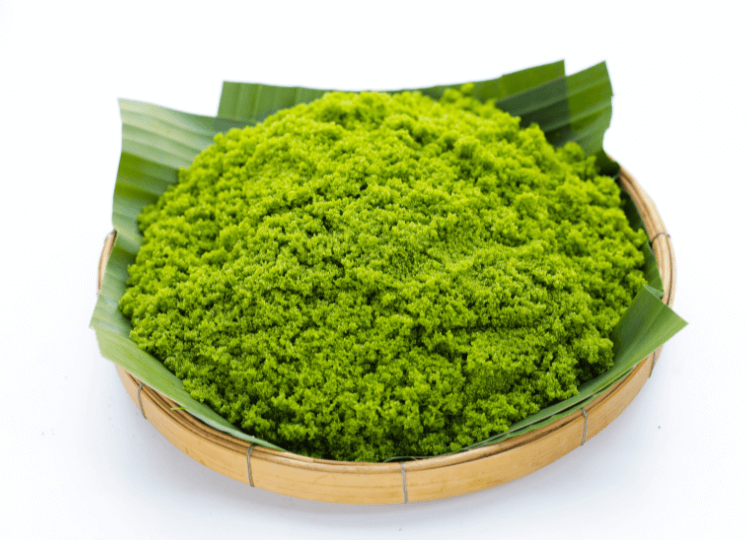
Mankai duckweed has been consumed for centuries in Southeast Asia, particularly in countries like Thailand and Laos, where it is found in lakes and ponds and known for its health benefits. Traditionally, it has been used in local cuisines, eaten fresh, or added to dishes like soups and salads. Its cultivation and use have been relatively limited, largely due to its regional availability and the traditional methods of harvesting.
-
02 Modern Uses in Foods
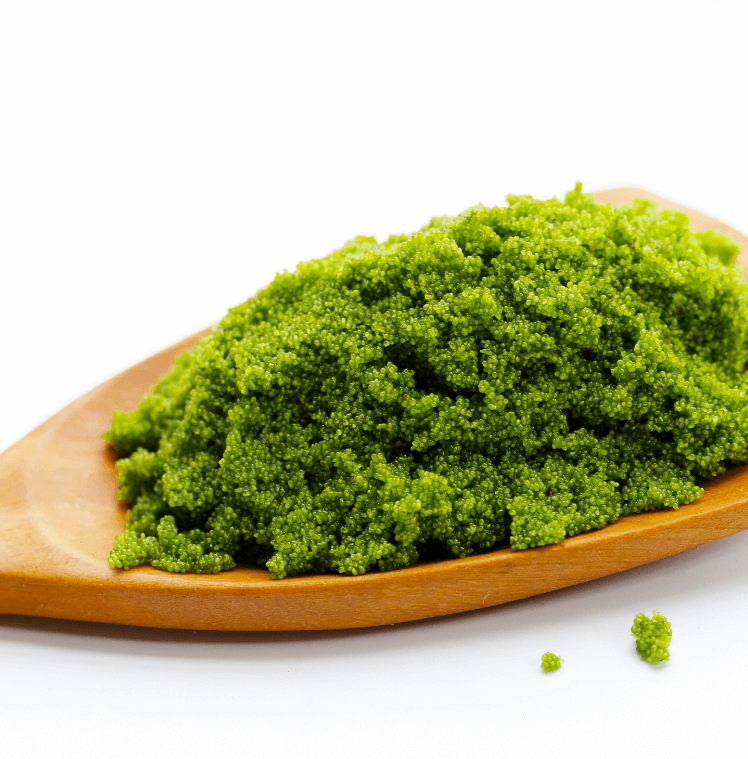
Mankai is being explored for its potential as a superfood and is used in a variety of modern culinary applications:
- Smoothies and shakes: Mankai can be blended into smoothies and shakes as a nutrient-rich ingredient.
- Salads and soups: It can be added to salads and soups, either fresh or as a dried powder, enhancing the nutritional value of these dishes.
- Plant-based products: Mankai is being used in the development of plant-based food products, including meat substitutes and protein-rich snacks, due to its high protein content and amino acid profile.
- Nutritional supplements: The plant’s high nutrient density also makes it suitable for use in nutritional powders and supplements aimed at boosting dietary intake of proteins, vitamins, and minerals.
Research into Mankai’s health benefits suggests it may have a positive impact on blood sugar levels, cholesterol, and overall nutritional status, making it a promising ingredient for health-conscious consumers and those following plant-based diets. As awareness of Mankai grows, it is likely to become more widely available in global markets, offering a sustainable and nutritious option for enhancing dietary diversity.


Current Regulatory Environment
United States
As a relatively new ingredient in the global market, the regulatory environment for Mankai is evolving. In countries where it is being introduced as a food product, it must comply with local food safety and regulatory standards:
In the United States, the Food and Drug Administration (FDA) would regulate Mankai as it does other food ingredients, ensuring it is safe for consumption and properly labeled. If Mankai is marketed with health claims, those claims must be substantiated and comply with FDA regulations.
European Union (EU)
In the European Union, the European Food Safety Authority (EFSA) would assess Mankai for its safety as a novel food ingredient before it can be marketed, requiring evidence that it is safe for consumption.
Globally, food safety standards apply, and any health claims made about Mankai would need to be supported by scientific evidence, following the regulatory framework of the specific country.
DISCLAIMER: This information is provided on an as-is basis for general background. Independent, verified research should be conducted on all ingredients in food, supplements, and consumer products.
2000+
Manufacturers


