

Trading Ingredients
Maqui berries (Aristotelia chilensis) are small, dark purple berries native to the temperate rainforests of Chile and Argentina in South America. They have gained attention for their high antioxidant content, particularly anthocyanins, which are compounds known for their health benefits, including anti-inflammatory and anti-aging properties.
-
01 Origins and Traditional Uses
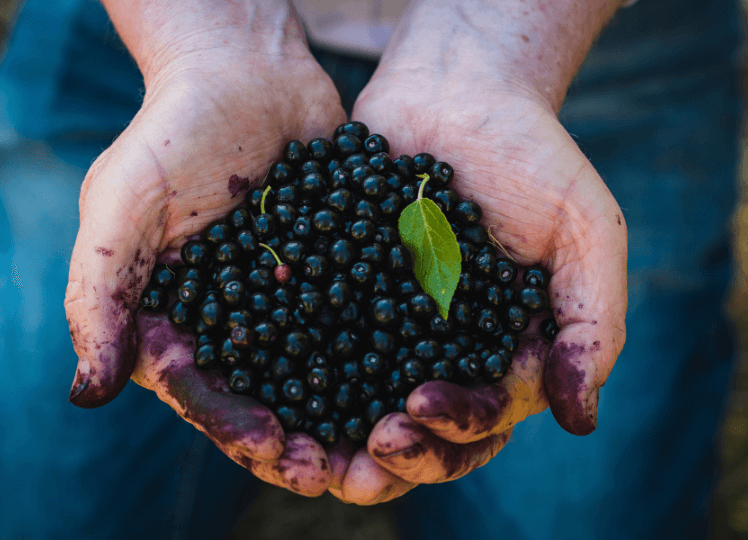
The Mapuche Indigenous people of Chile have traditionally used maqui berries for their medicinal properties. They have been consumed fresh or as juice, and used in traditional medicine to treat a variety of ailments, such as sore throat, diarrhea, ulcers, and fever. The berries were also used in ceremonies and rituals by the Mapuche people.
-
02 Modern Uses in Foods
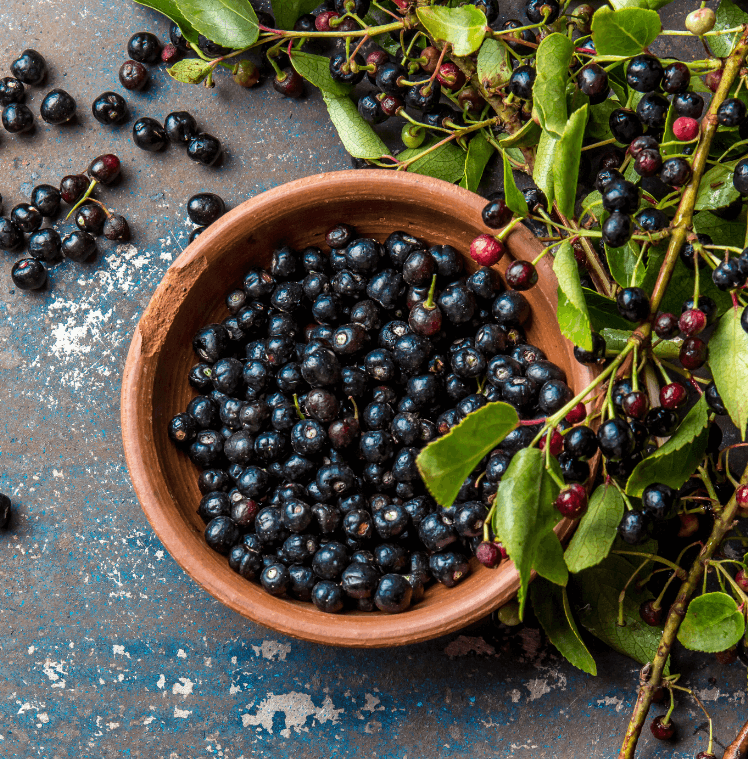
Today, maqui berries are marketed as a superfood due to their high antioxidant levels, and they are used in a variety of food and health products:
- Dietary Supplements: Maqui berry powder and extracts are commonly found in capsule form or as part of antioxidant blends marketed for health benefits like supporting heart health, improving blood sugar control, and reducing inflammation.
- Functional Foods and Beverages: Maqui berries are used in health-focused products, including juices, smoothies, nutrition bars, and other functional foods aimed at boosting antioxidant intake.
- Natural Colorants: The deep purple color of maqui berries makes them a desirable natural colorant for food products, such as desserts, yogurts, and ice cream.
The interest in maqui berries has grown significantly with the global trend towards health and wellness, and their use in dietary supplements and functional foods is increasing. However, while maqui berries are celebrated for their potential health benefits, consumers are advised to look for products from reputable sources and to be cautious of unsubstantiated health claims. As with any superfood, maqui berries should be consumed as part of a balanced diet to support overall health.


Current Regulatory Environment
United States
As a food ingredient, maqui berries and their derivatives, such as powders and extracts, are subject to the food safety and regulatory standards of the country in which they are sold:
In the United States, the Food and Drug Administration (FDA) regulates the use of maqui berry products. If sold as dietary supplements, they must comply with the Dietary Supplement Health and Education Act (DSHEA) of 1994, which requires that products are safe, manufacturers do not make unsubstantiated health claims, and that products are accurately labeled.
European Union (EU)
In the European Union, the European Food Safety Authority (EFSA) oversees the safety and labeling of new food ingredients, including maqui berries, under the Novel Food Regulation. Products containing maqui must be approved and demonstrated to be safe before they can be marketed in the EU.
Globally, the regulatory environment varies, but typically, products containing maqui berries need to comply with local food safety regulations, especially concerning the marketing of health benefits and nutritional claims.
DISCLAIMER: This information is provided on an as-is basis for general background. Independent, verified research should be conducted on all ingredients in food, supplements, and consumer products.

2000+
Manufacturers


