

Share to


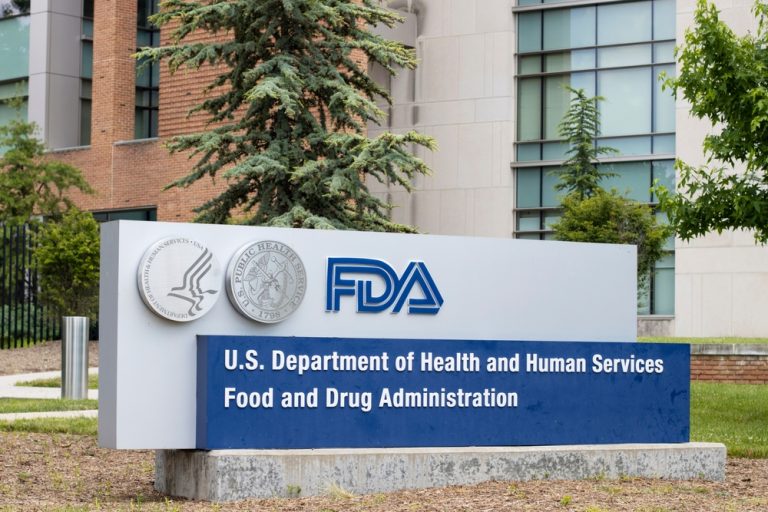
The complex web of Federal, State and Local regulations over the US food supply is daunting – and becoming more complex daily. Large legacy food companies employ teams of people to ensure compliance. This is a cost and luxury few emerging brands can afford. The failure to adhere to these sometimes conflicting regulations can be devastating to a growing brand.
(The purpose of this document is to provide background information on this contract topic. Anyone contemplating engaging with a provider must perform their own due dilligence and seek trusted professional business and legal advice.)
Many emergent brands look to their contract manufactuer to either be responsible for, or advise on this maze of regulations. Below are just some of the regulations US food companies must adhere to. These are just the federal regulations.
Food Safety Modernization Act (FSMA) – 2011
This act focuses on preventing food safety issues rather than responding to them, granting the FDA new authority to regulate the way foods are grown, harvested, and processed.
Nutrition Labeling and Education Act (NLEA) – 1990
This act requires nutrition labeling on most food packages and regulates health claims to help consumers make informed choices.
Food Quality Protection Act (FQPA) – 1996
This act amended FIFRA and FFDCA to establish a single, health-based standard for all pesticides in foods, with special protections for infants and children.
Egg Products Inspection Act Amendments – 2020
This update aligns egg product regulations with current meat and poultry inspection standards, enhancing food safety and inspection protocols.
Sanitary Food Transportation Act – 2005
This act establishes sanitary transportation practices to ensure that food transported by truck, rail or similar transport is safe and not contaminated during transit.
Food Allergen Labeling and Consumer Protection Act (FALCPA) – 2004
This act mandates clear labeling of major food allergens to protect consumers with food allergies.
Bioterrorism Act – 2002
This act enhances the security of the U.S. food supply by requiring food facilities to register with the FDA and maintain records to help trace the source of foodborne illness outbreaks.
Dietary Supplement Health and Education Act (DSHEA) – 1994
This act defines dietary supplements and sets guidelines for their labeling and safety, distinguishing them from conventional foods and drugs.
Pathogen Reduction/HACCP Systems Rule – 1996
This USDA rule requires meat and poultry plants to implement Hazard Analysis and Critical Control Points (HACCP) systems to reduce microbial pathogens.
Produce Safety Rule – 2015
Part of FSMA, this rule sets science-based standards for the safe growing, harvesting, packing, and holding of fruits and vegetables to minimize contamination risks.
Food Safety Modernization Act (FSMA) – 2011
This act shifts the focus of food safety from responding to contamination to preventing it. It grants the FDA new authority to regulate the way foods are grown, harvested, and processed, emphasizing preventive controls across the food supply chain.
Food Safety Administration Act of 2022
This proposed act aims to establish a separate Food Safety Administration under the Department of Health and Human Services (HHS) to consolidate existing food programs within the FDA and enhance food safety oversight.
Addition of Sesame to Major Food Allergen Groups – 2023
Effective January 1, 2023, sesame was added to the list of major food allergens, requiring food establishments to properly label and manage sesame as an allergen.
Sanitary Transportation of Human and Animal Food Rule – 2016
This FSMA rule establishes requirements for the sanitary transportation of food to prevent practices that create food safety risks during transportation.
Foreign Supplier Verification Programs (FSVP) for Importers of Food for Humans and Animals – 2015
This FSMA rule requires importers to verify that their foreign suppliers meet U.S. safety standards, ensuring the safety of imported food.
Laboratory Accreditation for Analyses of Foods (LAAF) – 2020
This FSMA rule mandates that certain food testing be conducted by accredited laboratories to ensure the reliability of food safety testing.
Mitigation Strategies to Protect Food Against Intentional Adulteration – 2016
This FSMA rule requires food facilities to implement strategies to protect food from intentional adulteration, such as acts of terrorism.
Produce Safety Rule (PSR) – 2016
Part of FSMA, this rule establishes science-based standards for the safe growing, harvesting, packing, and holding of fruits and vegetables grown for human consumption.
Food Code 2022
The latest edition of the FDA Food Code, which provides a model for safeguarding public health and ensuring food safety in retail and food service establishments.
Access to Baby Formula Act of 2022
This act amends the WIC program regulations to improve access to baby formula and address related supply chain issues.
Egg Products Inspection Act Amendments of 2020
This act modernizes the inspection of egg products, aligning them with the standards for meat and poultry products to ensure food safety and quality.
National Bioengineered Food Disclosure Standard – 2018
This USDA regulation requires food manufacturers, importers, and certain retailers to disclose information about bioengineered food and ingredients, providing transparency to consumers.
New Era of Smarter Food Safety Blueprint – 2020
This FDA initiative outlines a new approach to food safety, leveraging technology and other tools to create a safer and more digital, traceable food system.
Standards for the Growing, Harvesting, Packing, and Holding of Produce for Human Consumption – 2015
Part of FSMA, this rule sets standards for the safe production and harvesting of fruits and vegetables to minimize contamination risks.
Current Good Manufacturing Practice, Hazard Analysis, and Risk-Based Preventive Controls for Human Food – 2015
This FSMA rule requires food facilities to implement preventive controls to minimize or prevent hazards that could affect food safety.
Current Good Manufacturing Practice, Hazard Analysis, and Risk-Based Preventive Controls for Food for Animals – 2015
Similar to the human food rule, this FSMA regulation focuses on ensuring the safety of animal food through preventive controls and good manufacturing practices.
Food Allergen Labeling and Consumer Protection Act (FALCPA) – 200:
Although enacted slightly outside the 15-year window, this act is crucial as it mandates clear labeling of major food allergens, significantly impacting food production and labeling practices.
Nutrition Labeling of Standard Menu Items in Restaurants and Similar Retail Food Establishments – 2018
This FDA rule requires calorie information to be listed on menus and menu boards in chain restaurants and similar retail food establishments to help consumers make informed choices.
Guidance for Industry: Action Level for Inorganic Arsenic in Apple Juice – 2013
This FDA guidance sets an action level for inorganic arsenic in apple juice to protect public health, particularly for children who consume the product.
Guidance for Industry: Action Level for Lead in Juice – 2022
This FDA guidance establishes an action level for lead in juice to reduce exposure to this toxic element, particularly in products consumed by children.
By Carl Melville Managing Partner, TMG and Founder of CoPack Connect
Share to
